

A Complete Guide to Choosing the Right Medical Gloves for Your Clinic
Posted on: 11/05/2026
Medical gloves are crucial items of personal protective equipment in healthcare. Be it a busy NHS hospital, a private clinic, or a GP surgery, the right gloves are a critical barrier between clinician and patient, protecting both parties from cross-contamination, infection, and exposure to hazardous materials. Here’s everything you need to know to make the right decision.
 Why Choosing the Right Medical Gloves Is So Important
 Why Choosing the Right Medical Gloves Is So Important
With a wide variety of gloves on the market, it's well worth taking some time to evaluate the options carefully rather than just going with whatever is the cheapest or most readily available.
One factor that can sometimes be overlooked is their wearability over extended periods. For clinicians who are gloved up for hours at a stretch, surgeons, theatre nurses, and dentists, comfort and breathability matter enormously. Nitrile and vinyl gloves, while practical for short-term use, may cause hands to sweat during prolonged wear. Latex gloves, by contrast, offer superior breathability and a more natural feel.
What Types of Medical Gloves Are Available?
Medical gloves fall into two main categories: examination gloves and surgical gloves.

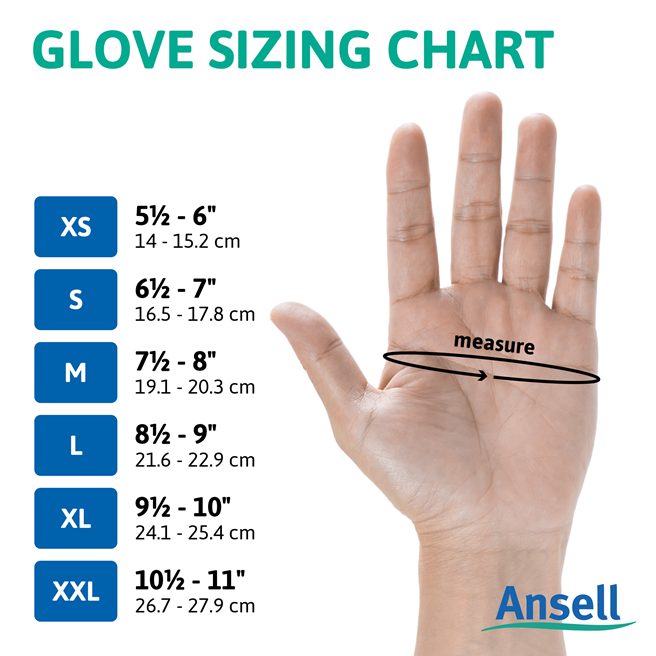
Examination gloves are designed for general clinical tasks, including patient assessments, wound dressings, venepuncture, and other routine procedures. They are typically available in bulk and come in standard sizing (S, M, L, XL).

Surgical gloves are held to a higher standard. They must meet stricter regulatory requirements, offer enhanced tactile sensitivity, and provide a more precise, anatomical fit. They are almost always sterile and individually packaged.
Eb-Med stocks a comprehensive range of both examination and surgical gloves to suit clinical environments of all sizes. Browse our full selection here.
Premium latex brands such as Gammex and Biogel are well regarded. They’re more expensive than standard alternatives, but for professionals relying on comfort and dexterity throughout long procedures, the investment is certainly well worth it.
What Are the Material Options for Medical Gloves?
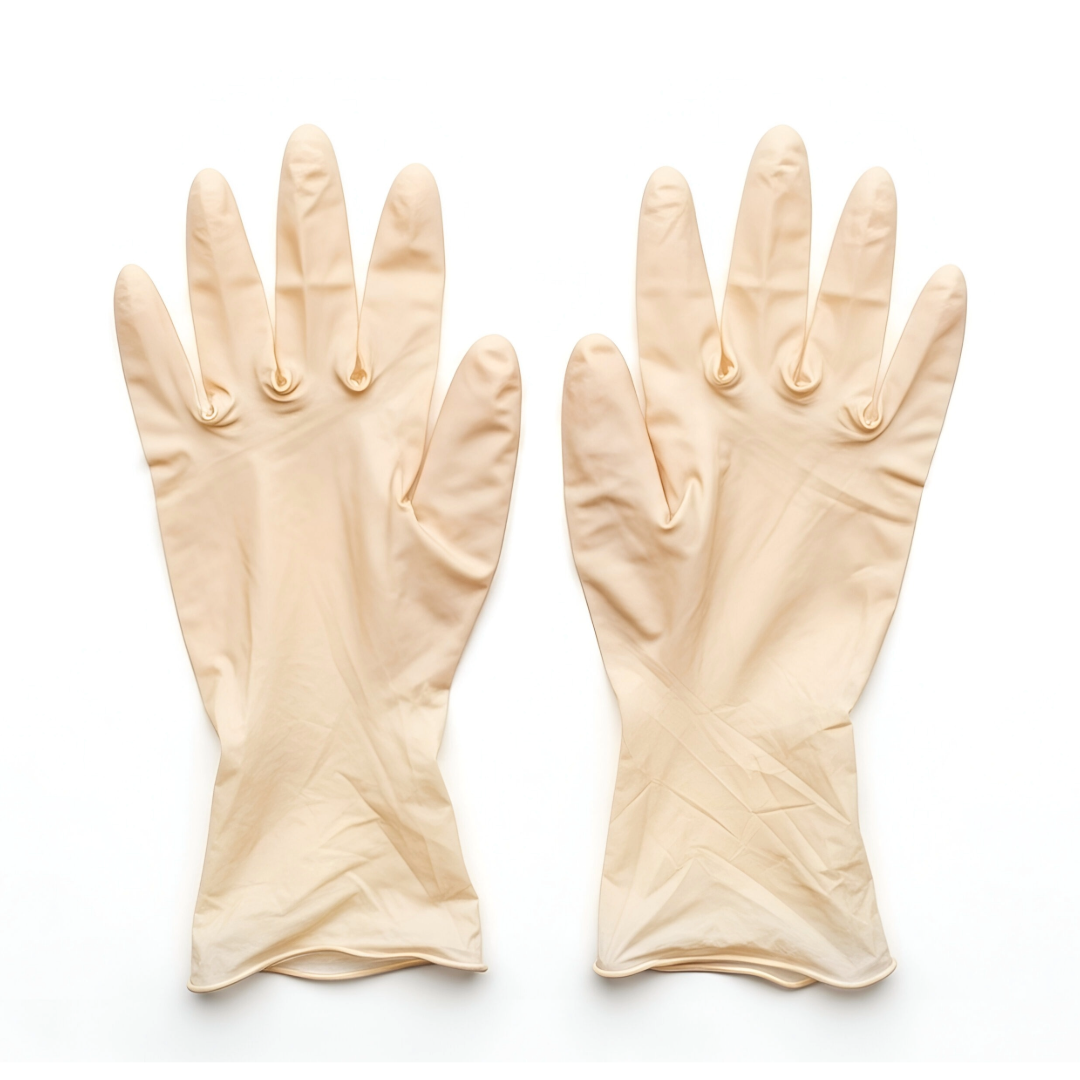
Latex is the gold standard for many clinicians. It offers excellent elasticity, tactile sensitivity, and comfort, which is important for procedures requiring a precise sense of touch. The downside is the risk of latex allergy in both clinicians and patients, which must always be considered.

Nitrile is the most widely used alternative to latex. It is highly resistant to punctures and chemicals, latex-free, and suitable for the majority of clinical tasks. It is the go-to choice for examination gloves in many modern healthcare settings.
Thickness is another key consideration. Clinicians who rely heavily on touch, such as when palpating lymph nodes, assessing tissue, or working in confined surgical fields, often prefer thinner gloves for maximum sensitivity. Many surgeons wear multiple gloves during surgery to increase protection against cross-contamination and infection. Double gloving provides an extra layer of protection against bloodborne pathogens and sharps injuries.
Best Practices for Surgical Gloving
- Choose the right size: A glove that is too tight can tear, while one that is too loose can compromise dexterity and tactile control.
- Maintain the sterile field: Always keep your gloved hands above waist level and in front of you. Never place them behind your back or below the waistline.
- Avoid touching non-sterile objects: Once gloved, only handle sterile equipment and surfaces within the sterile field.
- Inspect for damage: Check for any rips, tears, or perforations after donning and periodically during procedures.
- Do not rush: Take care during both donning and doffing. Rushing increases the risk of contamination or glove failure.

 117417
 40002854