

How to Set Up an Efficient Clinical Room in a Medical Practice
Posted on: 16/07/2026
A well-organised clinical room is the foundation of safe, effective patient care. When fitting out a GP's consulting room or a dedicated treatment room, the principles of good room design are a logical layout, rigorous infection control, and well-managed supplies.
Here's how you can get the setup to be as efficient as possible.
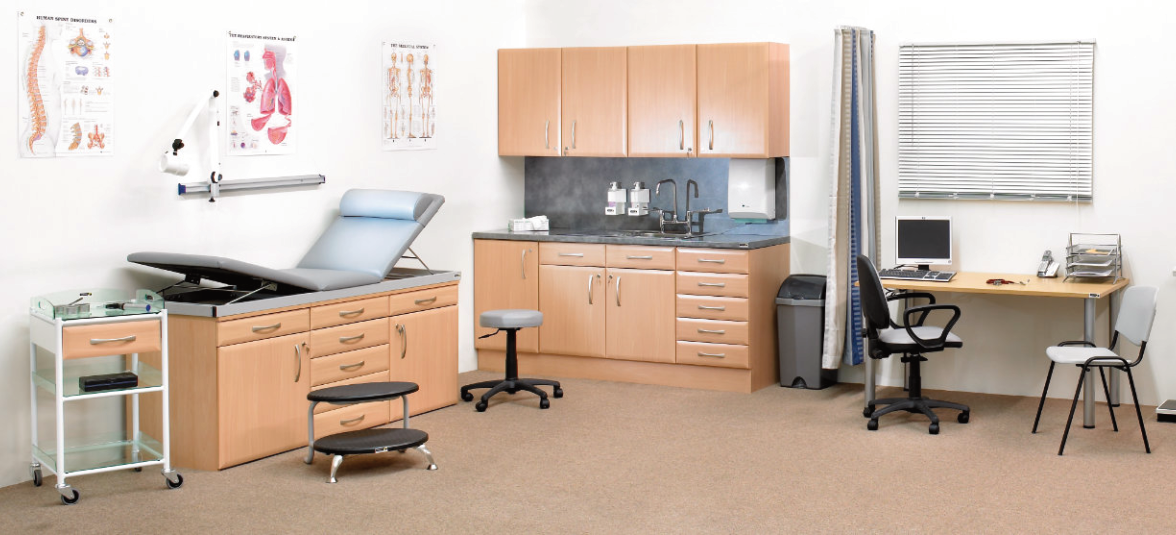
How To Optimise Room Layout and Zones
The starting point for any clinical room is the traffic flow of patients. They, along with staff and equipment, should be able to move through the space without unnecessary crossing of pathways.
In a doctor's consulting room, the desk and seating area is a natural consultation zone, while the examination couch, ideally positioned with clear access on both sides, is a clinical area. In a treatment room, you may need distinct areas for clean preparation, active treatment and waste disposal.
Separating clean and dirty zones is an infection control requirement. As such, clean supplies and sterile equipment should never be stored adjacent to clinical waste bins or used instrument trays.
Position your examination couch or phlebotomy chair with good overhead lighting and ensure the practitioner can maintain an ergonomic posture throughout the encounter, reducing fatigue and the risk of musculoskeletal strain over a long clinical day.
Cubicle curtains are the best way to create defined zones within a single room, offering patient privacy while maintaining a clean, professional appearance.
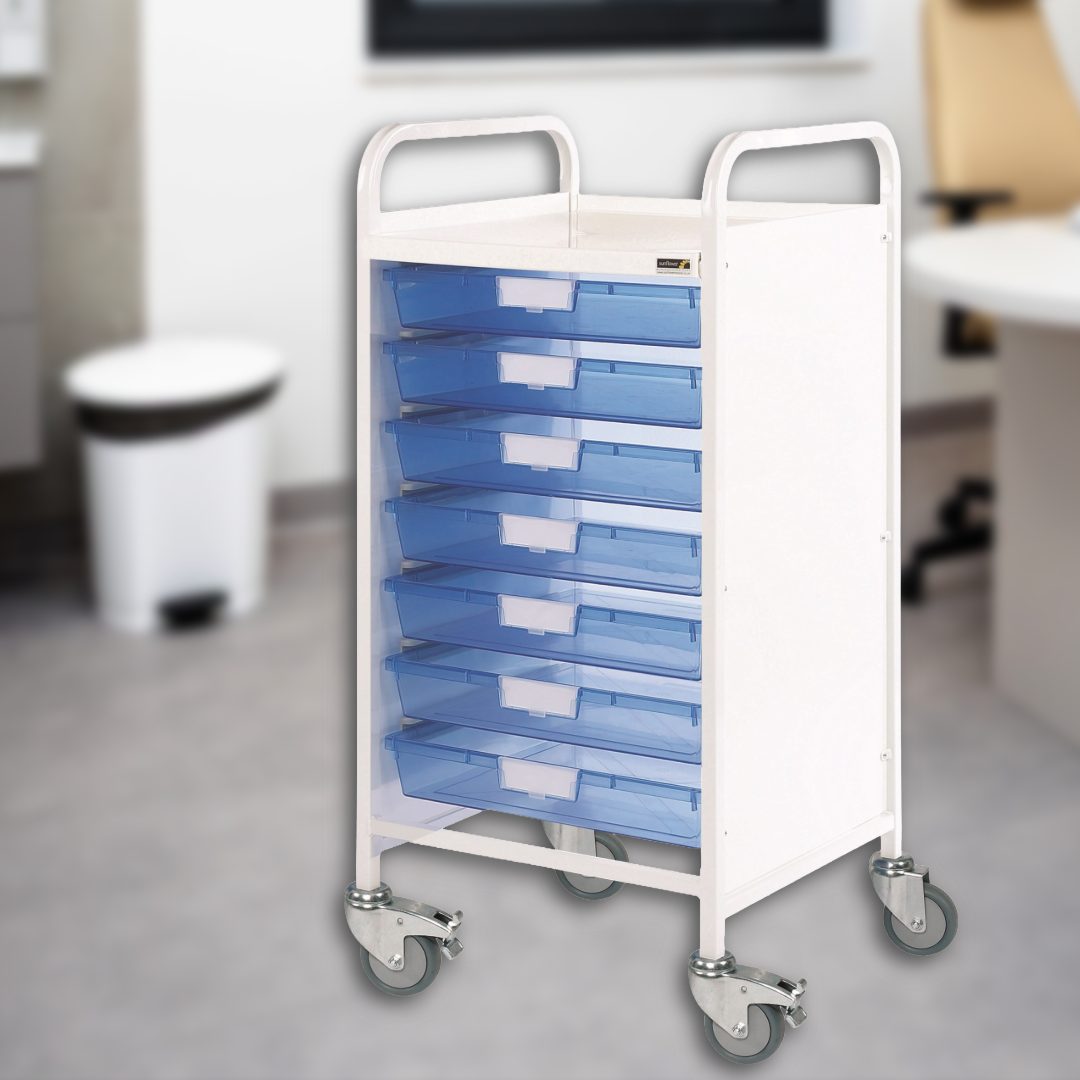 How To Implement Smart Storage and Supplies
Efficient storage is really important because it directly supports patient safety. Lockable cabinetry is essential for controlled drugs and any Schedule 2 or 3 medications, in line with Home Office and CQC requirements. Additionally, a clear labelling system, including expiry dates, is also crucial because it enables rapid stock rotation on a first-in, first-out basis.
It’s wise to adopt a PAR (Periodic Automatic Replenishment) level system. You can do this by setting a minimum quantity for each consumable and triggering reordering when stock falls to that level. This prevents the scenario of running out of wound dressings or vacutainer tubes mid-clinic.
Frequently used items such as gloves, gauze, and alcohol wipes should be kept at the point of care, within arm's reach during procedures, so that staff don’t have to cross the room while they’re in the middle of a task. Additionally, keep stationery, patient leaflets and documentation entirely separate from clinical supplies because mixing the two only invites contamination and confusion.
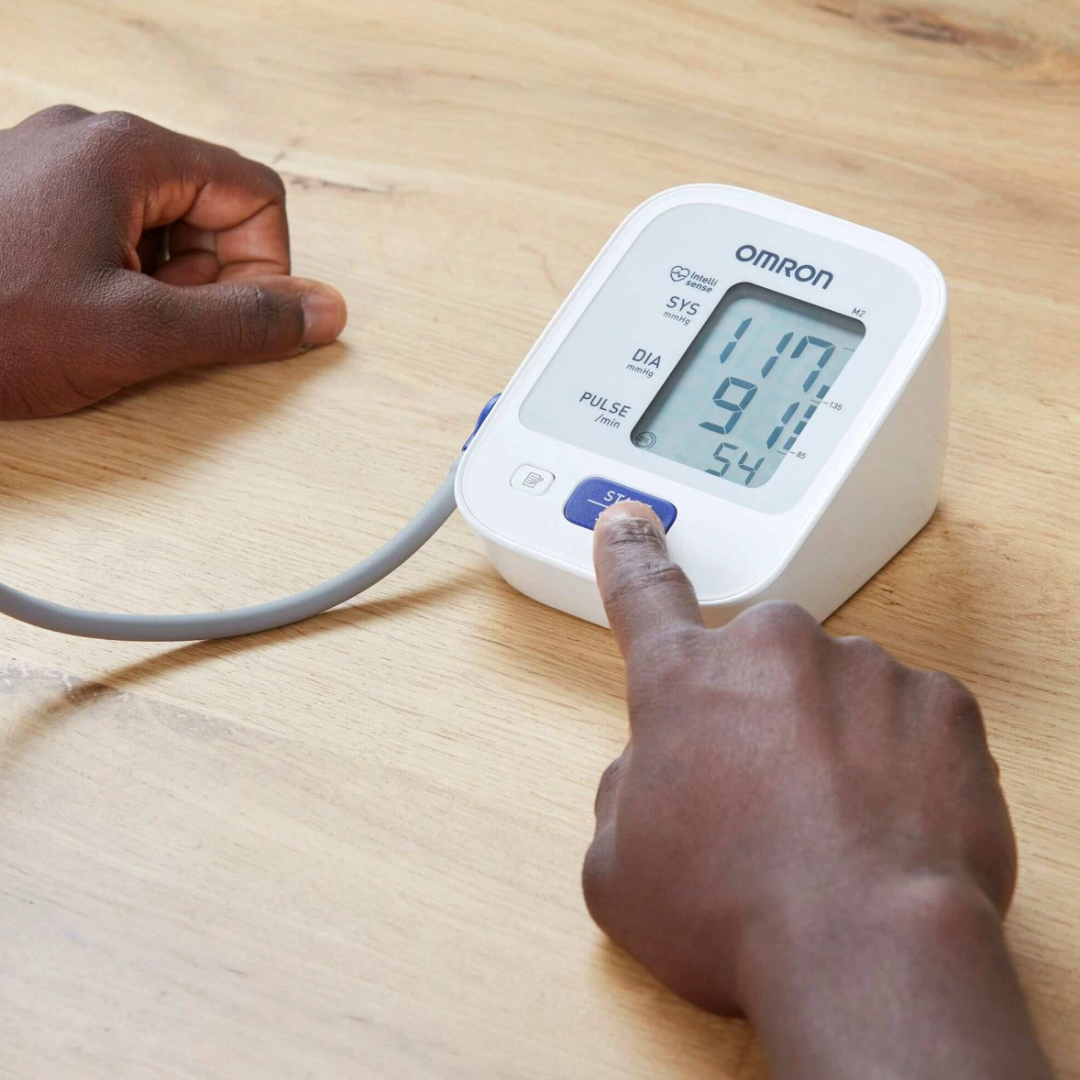 What Is the Essential Equipment?
Every clinical room requires a set of well-maintained equipment. The examination couch with a roll of disposable paper is vital. A calibrated sphygmomanometer, pulse oximeter and peak flow meter form the baseline monitoring toolkit. Ophthalmoscopes and otoscopes, wall-mounted in a doctor's room, should be checked regularly and have functioning bulbs or charged batteries.
Treatment rooms may additionally require mobile ECG machines, cryotherapy dewars, phlebotomy chairs and surgical trolleys stocked for dressings or blood-taking. Sharps bins must be correctly assembled, labelled with the date and opener's name, and disposed of at the appropriate fill level.
A foot-operated clinical waste bin should be present in every room. All equipment should be subject to planned preventative maintenance schedules, with calibration certificates kept on file for CQC inspection.
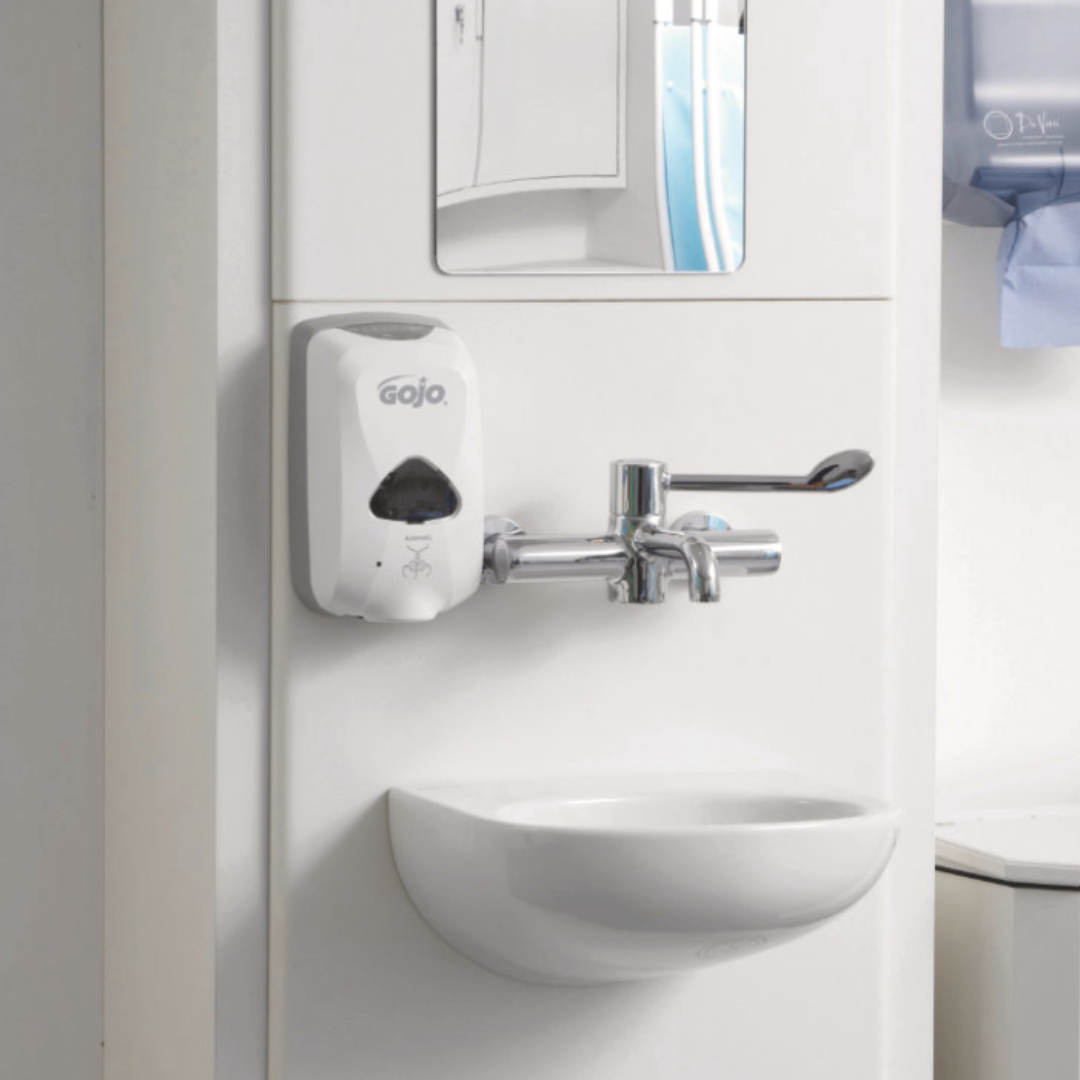 How To Enhance Infection Control and Safety
UK guidance from UKHSA and NICE makes clear that hand hygiene is the single most effective measure in preventing healthcare-associated infection. This means that every clinical room should have a dedicated hand-wash sink with liquid soap and paper towels, supplemented by wall-mounted alcohol gel dispensers at the point of care and near the exit.
Between patients, all contact surfaces, including the couch, tray and keyboard, need to be wiped with an appropriate detergent or disinfectant wipe. Use single-use instruments wherever possible. Finally, where reusable instruments are employed, a validated decontamination process is required. PPE should be stored cleanly and accessibly, not left loose on worktops.
Are You Ready to Equip Your Clinical Room?
Eb-Med supplies a full range of clinical room essentials, from cubicle curtains and examination couches to storage solutions and infection control products. Browse the range here.

 117417
 40002854