

Infection Control Essentials Every GP Surgery Should Have in 2026
Posted on: 16/07/2026
All of the patients who enter the surgery and the team that serves them have the right to expect that infection control standards are being met. With healthcare-associated infections (HCAIs) ever-present, GP surgeries are responsible for ensuring that their protocols, products, and procedures are firmly up to date. Here is what every practice needs to have in stock.
 Personal Protective Equipment is Your First Line of Defence
 Personal Protective Equipment is Your First Line of Defence
Having all of the right PPE readily available helps to protect staff and patients from the transmission of infectious agents. In a busy GP surgery, clinical and non-clinical staff need to have immediate access to the appropriate protective equipment because a lapse in protection, even if it’s only a brief one, can have serious consequences.
Every GP surgery should stock disposable nitrile or latex-free gloves in multiple sizes, fluid-resistant surgical masks (Type IIR), aprons, and eye protection such as goggles or face shields for procedures involving aerosol generation or potential splashing. FFP2 or FFP3 respirators should also be available for higher-risk situations.
Other important points to consider are that:
- Using the correct usage is just as important as having the availability. As such, staff should receive regular training on the correct donning and doffing of PPE to avoid self-contamination.
- There should be clear visual guidance displayed prominently in clinical areas. PPE must never be reused between patients.
- The disposal of these items needs to follow the UK’s health and safety regulations and NHS waste management guidelines.
- Used PPE should be disposed of in the appropriate clinical waste stream (typically yellow-lidded or tiger-stripe bags) and must never be placed in general refuse.
- Practices should conduct regular audits to ensure compliance
Hand Hygiene Products and Protocols
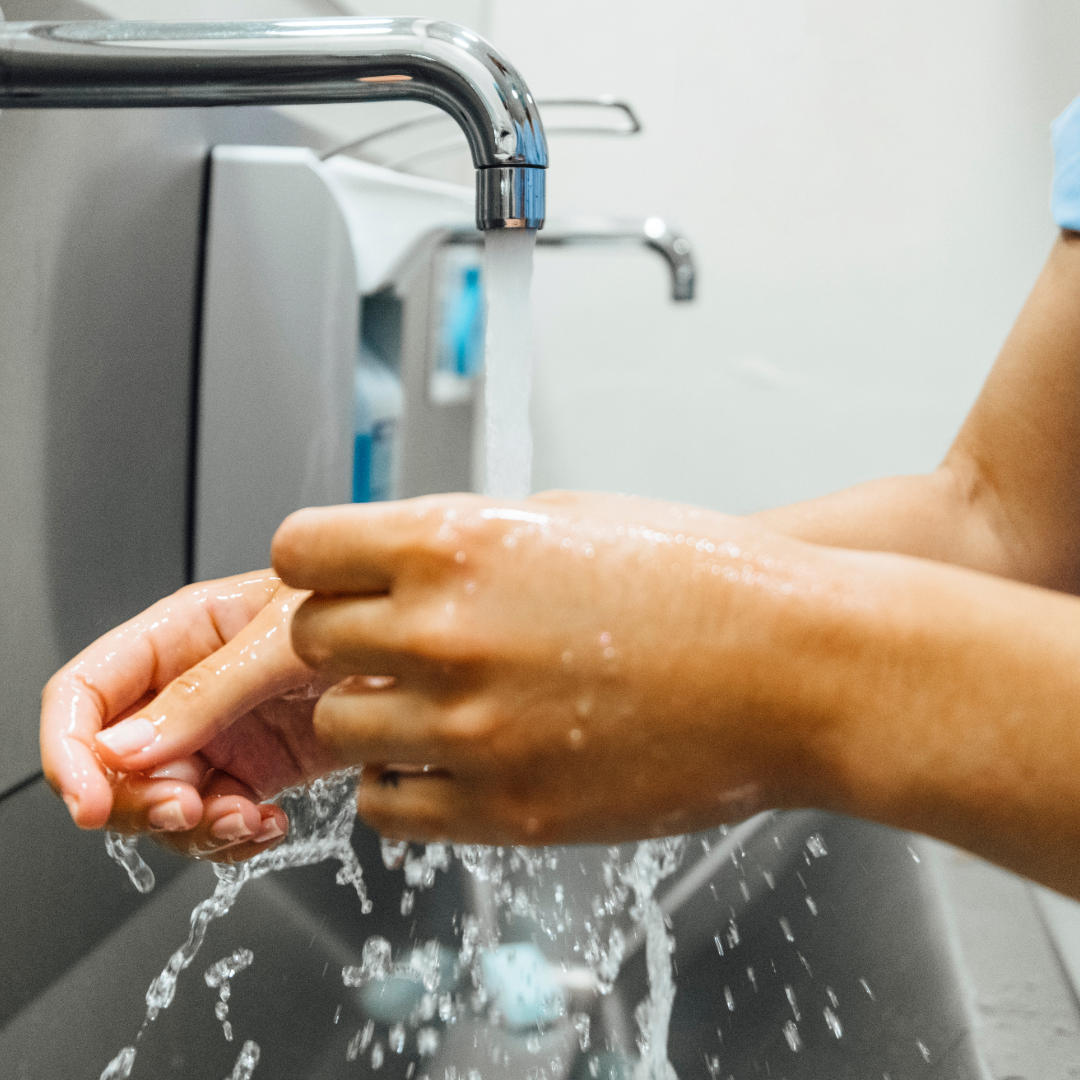 Hand Hygiene Products and Protocols
It’s no secret that effective hand hygiene is a powerful and evidence-based tool for preventing the spread of infection in any clinical environment. The World Health Organisation's Five Moments for Hand Hygiene framework, widely adopted across the NHS, provides the foundation for best practice in GP settings.
Every surgery should have alcohol-based hand rub (ABHR) positioned at the point of care, beside every clinical workstation, at room entrances, and at reception desks. For situations where hands are visibly soiled, or in the case of Clostridioides difficile (C. diff), antimicrobial liquid soap and running water must be used instead.
Best practice guidance from NHS England and the UK Health Security Agency (UKHSA) recommends that hand hygiene compliance is monitored regularly through audits, and that all staff, including the clinical team and administrative support, receive training at induction and on an ongoing basis.
Surface Disinfection and Environmental Cleaning
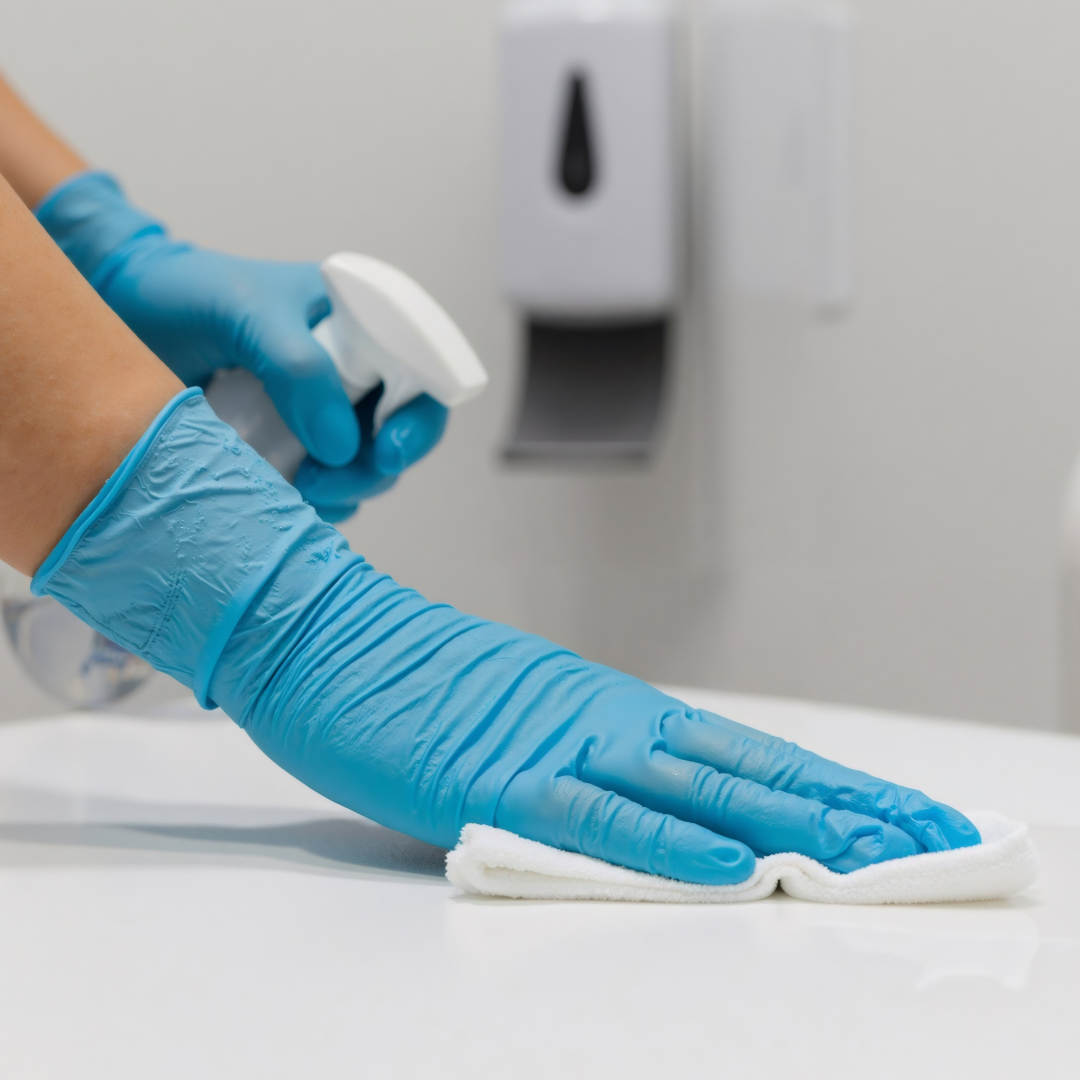 Surface Disinfection and Environmental Cleaning
Even if a surgery looks spotless, it doesn’t necessarily mean it is microbiologically clean. GP practices should have the right products and schedules in place to ensure the clinical environment doesn’t become a vehicle for infection transmission.
As such, surgeries should stock a range of cleaning and disinfecting agents, including chlorine-based disinfectants and alcohol-based surface wipes for rapid decontamination between patients. Colour-coded cleaning equipment, cloths, mop heads, and buckets, need to be used in accordance with the national colour-coding system to prevent cross-contamination between clinical and non-clinical zones.
It is also important that cleaning schedules should be documented, regularly reviewed, and responsibility clearly assigned for each area and task. These records form part of the evidence reviewed during Care Quality Commission (CQC) inspections, and inadequate documentation can result in regulatory action even where cleaning standards are otherwise satisfactory.
Conclusion
The National Standards of Healthcare Cleanliness 2025, which replaced the 2021 specifications for cleanliness in NHS-funded services, sets a more rigorous and outcomes-focused framework for cleanliness across all healthcare settings, including primary care.
It’s crucial for GP surgeries to ensure they have reviewed these updated standards and that their policies, products, and training reflect current requirements.
Stock Up with Confidence from Eb-Med
Eb-Med supplies GP surgeries and primary care practices across the UK with high-quality infection control products, from PPE and hand hygiene essentials to clinical waste solutions and surface disinfectants. Our range is sourced to meet the latest NHS and CQC standards, so you can focus on what matters most: your patients.
Browse our infection control range at eb-med.co.uk or get in touch with our team for tailored advice on stocking your surgery.
Infection Control Essentials Checklist
Personal Protective Equipment
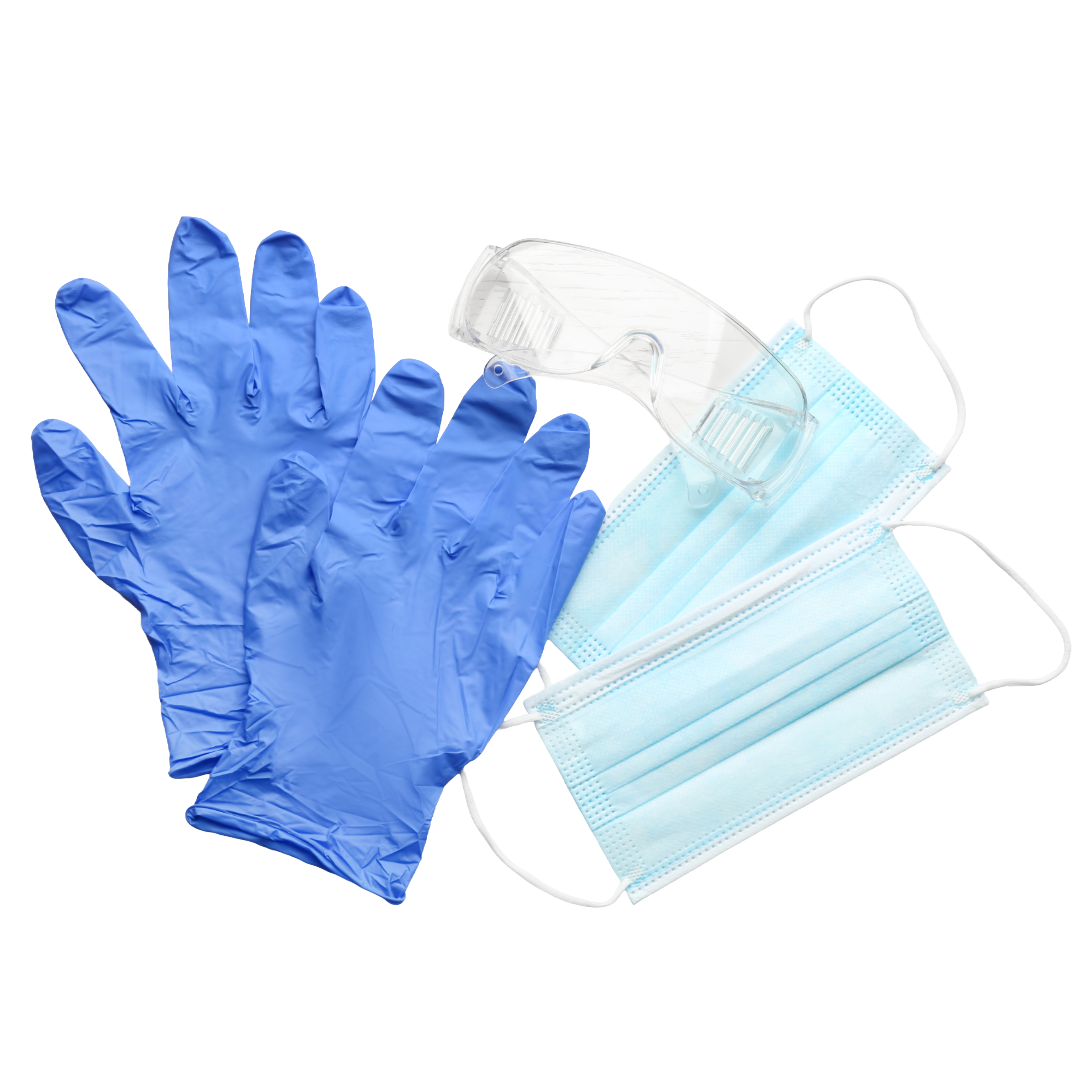 Personal Protective Equipment
- Disposable nitrile / latex-free gloves (multiple sizes)
- Fluid-resistant surgical masks (Type IIR)
- Disposable aprons
- Eye protection (goggles / face shields)
- FFP2 / FFP3 respirators
- Clinical waste bags (yellow-lidded / tiger-stripe)
Hand Hygiene
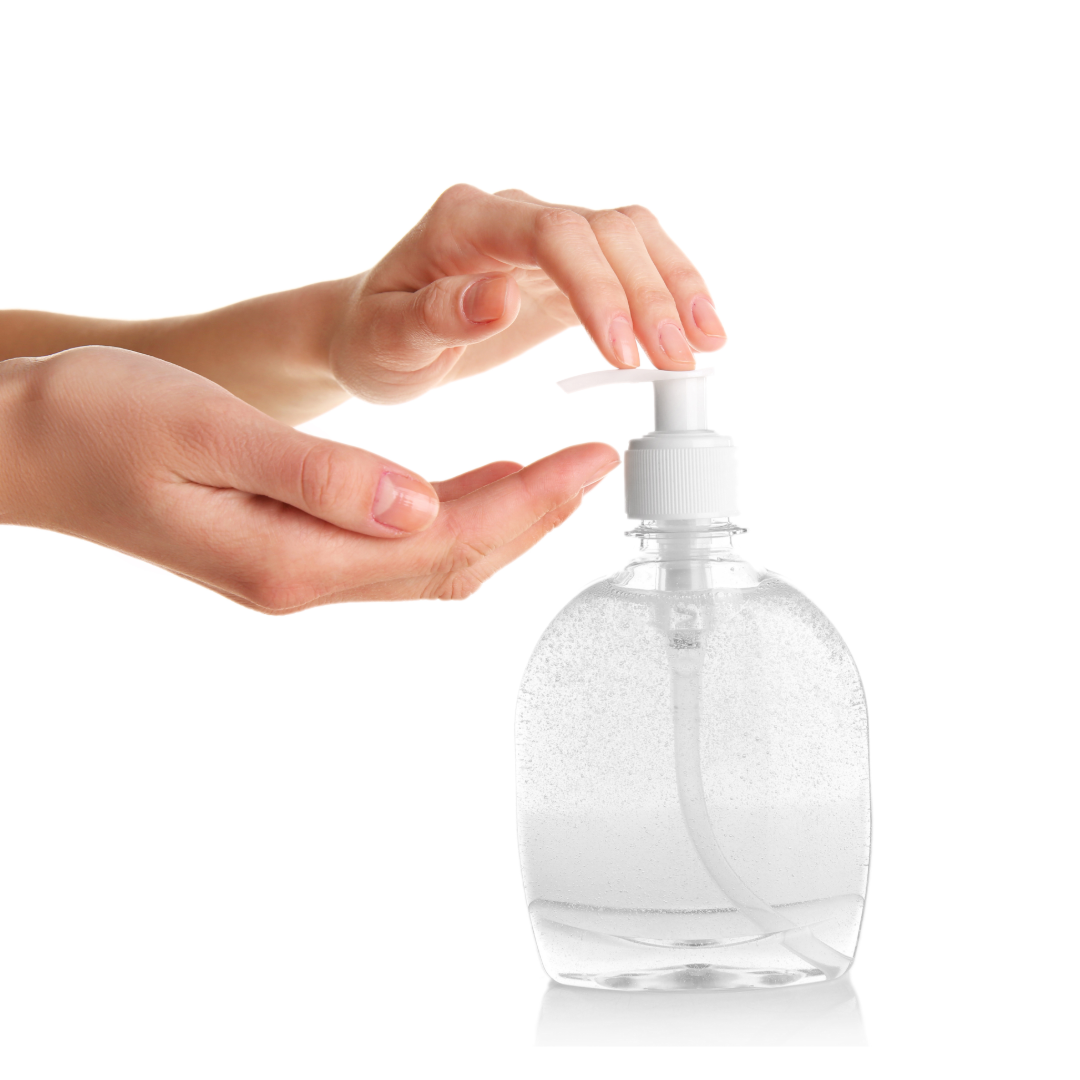 Hand Hygiene
- Alcohol-based hand rub (min. 60% alcohol) at point of care
- Antimicrobial liquid soap at all sinks
- Single-use paper towels in all clinical areas
- Hand hygiene audit tools / compliance records
Surface Disinfection & Environmental Cleaning
 Surface Disinfection & Environmental Cleaning
- Chlorine-based disinfectant (sodium hypochlorite)
- Alcohol-based surface disinfectant wipes
- Colour-coded cloths, mop heads, and buckets
- Documented cleaning schedules
- Cleaning compliance records for CQC inspection

 117417
 40002854