

 Essential Medical Consumables Every Healthcare Practice Needs
 Essential Medical Consumables Every Healthcare Practice Needs
Behind every consultation, dressing change or blood test is a supply of consumables that healthcare practice clinicians rely on every day. As such, maintaining a sufficient stock of these items is necessary for patient safety and the efficiency of the clinic as a whole.
When consumable stocks run low, there can be consequences for the whole practice. Appointments may need to be rescheduled, staff may have to spend valuable time sourcing alternatives and, in some circumstances, patient care can be disrupted. A missing box of gloves or an empty sharps bin might seem like a small issue, but across a busy clinic such gaps can quickly become costly and inconvenient.
This guide covers the essential medical consumables every healthcare practice should keep readily available, along with practical advice for managing stock effectively.
Essential Consumables for Healthcare Clinics:
The exact consumables required will depend on the services provided by each healthcare practice, but several categories are commonly used across primary care, outpatient and other clinical settings.
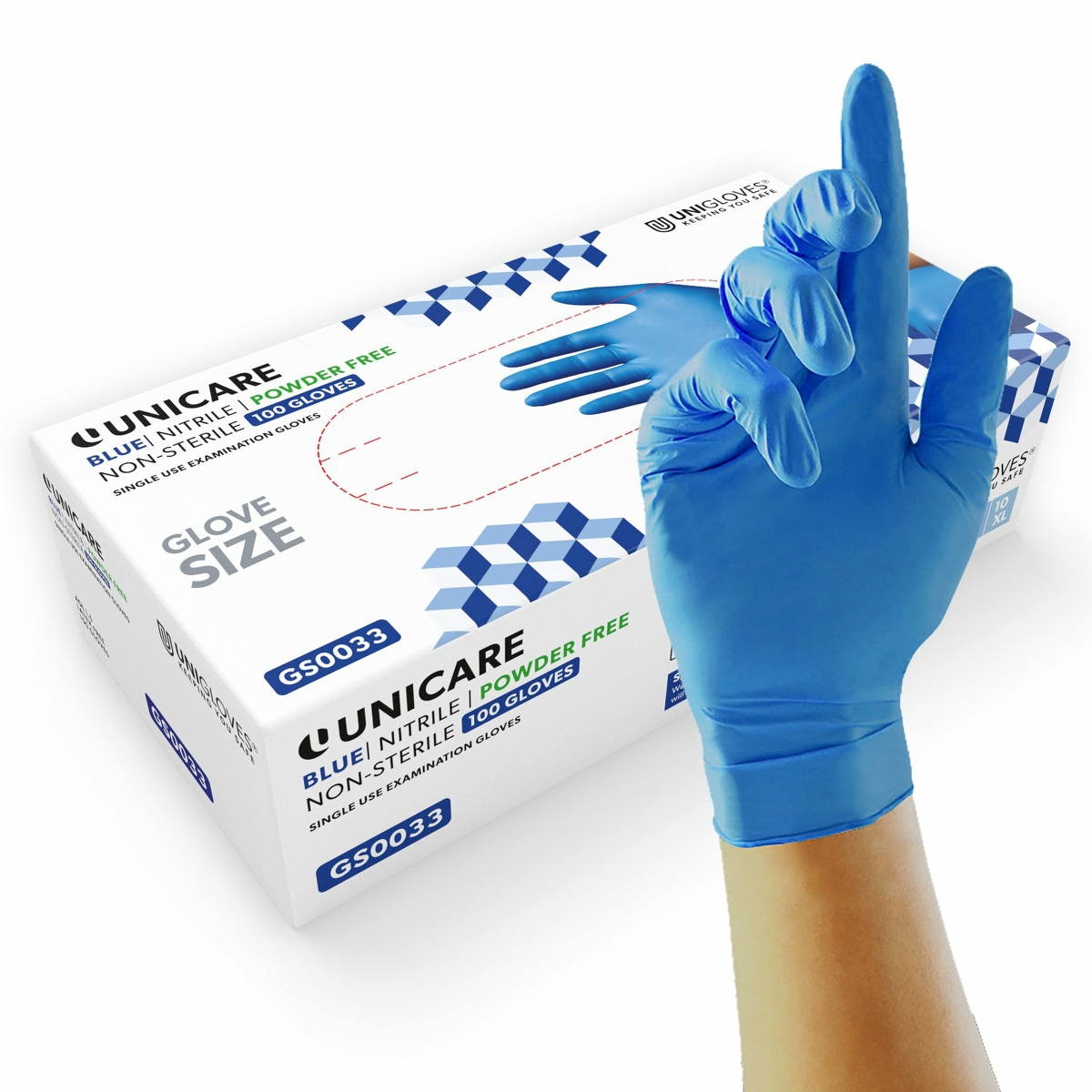
PPE and Protective Consumables
Disposable gloves are used across a wide range of patient interactions, from routine examinations to procedures where additional protection is required.
Masks and protective aprons provide additional barriers against contamination and may be particularly relevant when dealing with bodily fluids or respiratory illness.
Hand hygiene products, including alcohol hand gel and cleansing products, are another important part of maintaining effective hygiene throughout a healthcare environment.
Wound Care and Dressing Supplies
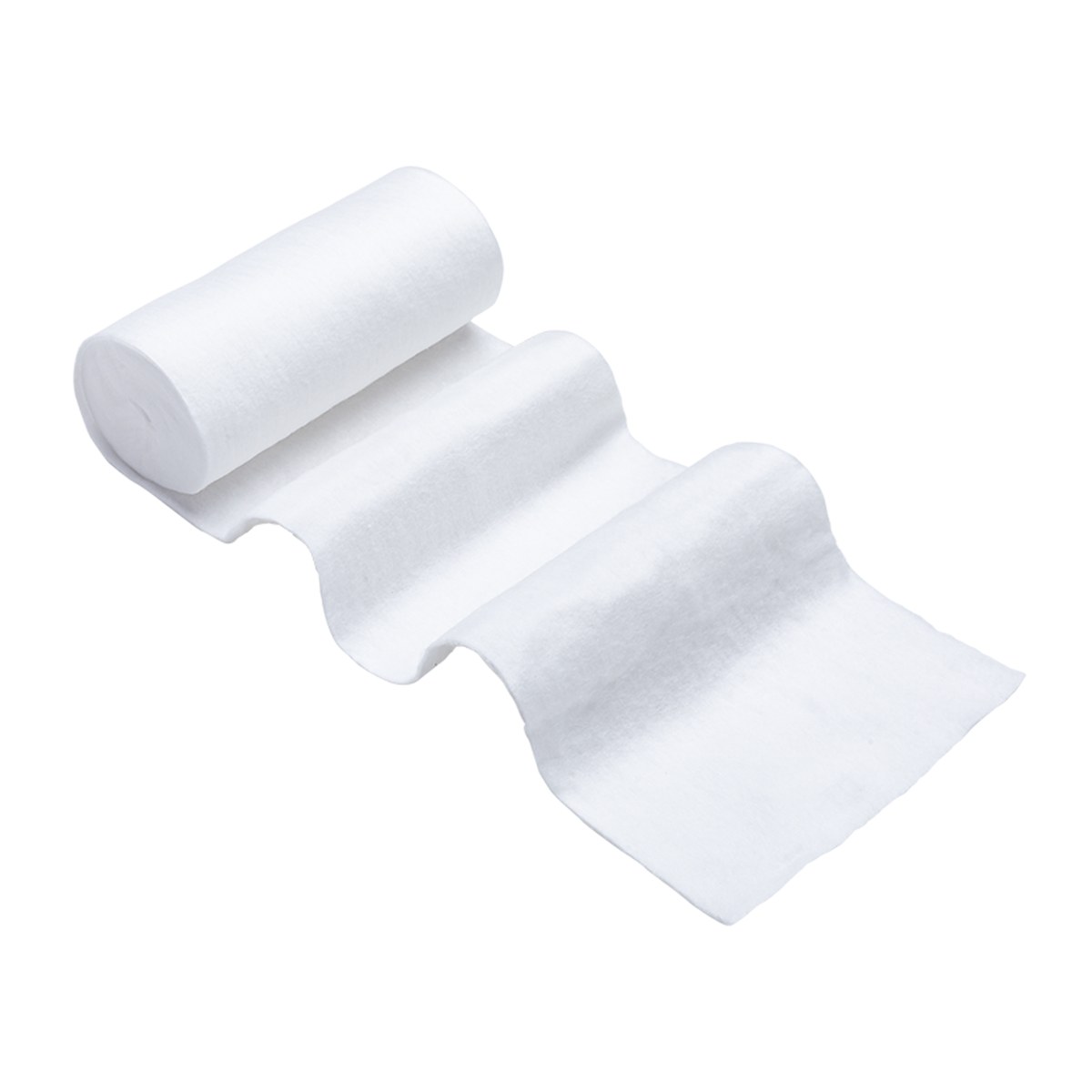
Wound management requires an appropriate supply of dressings, gauze, bandages and adhesive products suited to the types of care provided by the practice.
Sterile gauze may be used for wound care and fluid absorption, while adhesive tapes and other securing products help keep dressings in place. Keeping a suitable range of sizes and absorbency levels can help practices accommodate different clinical requirements.
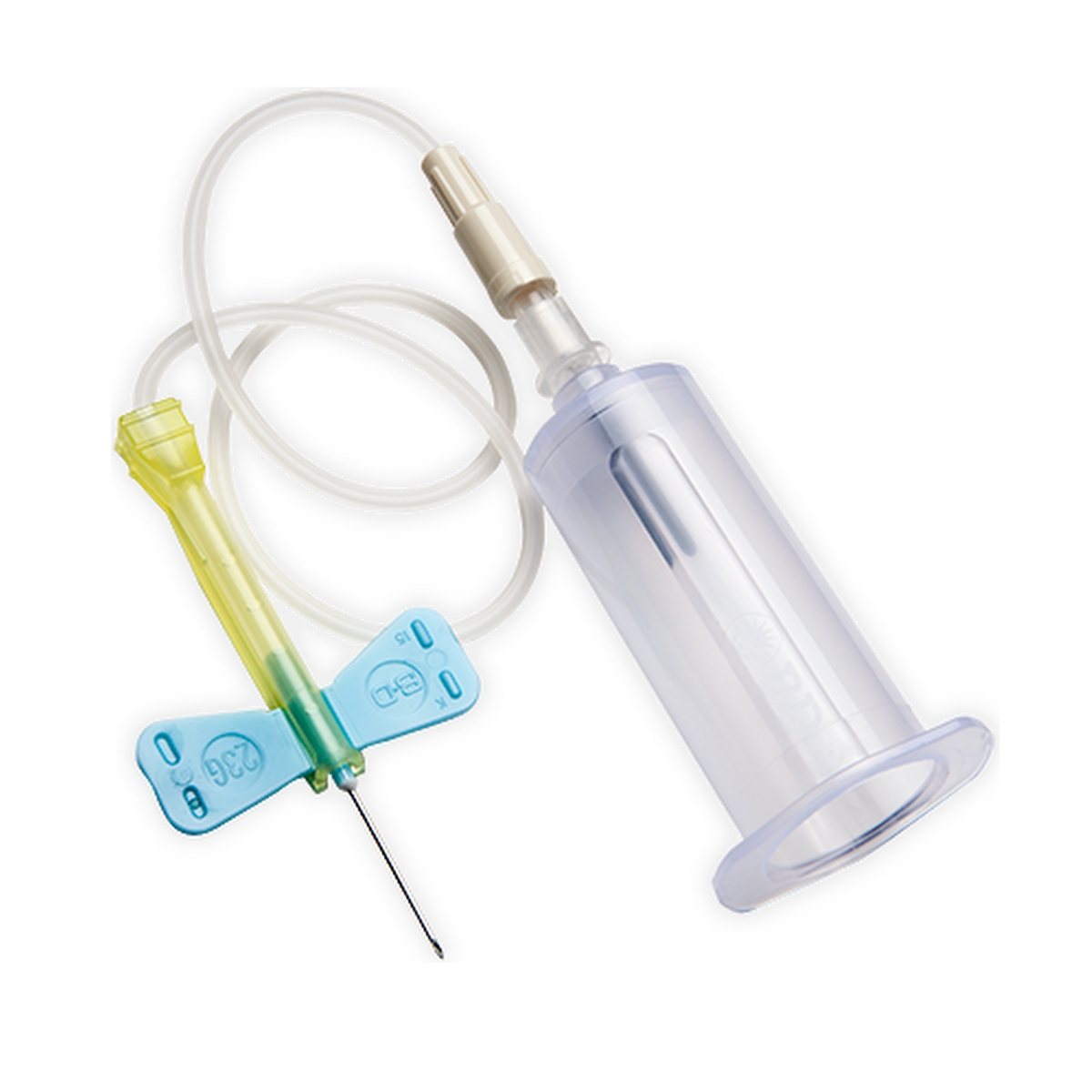
Injection and Sampling Consumables
Syringes and needles are widely used for procedures including vaccination, blood sampling and medication administration. Appropriate sharps containers should also be available to support the safe disposal of used needles and other sharps.
Blood collection supplies, including collection tubes and associated sampling products, may also form part of the regular consumables stock in practices that provide phlebotomy or diagnostic services.
Examination Room Consumables
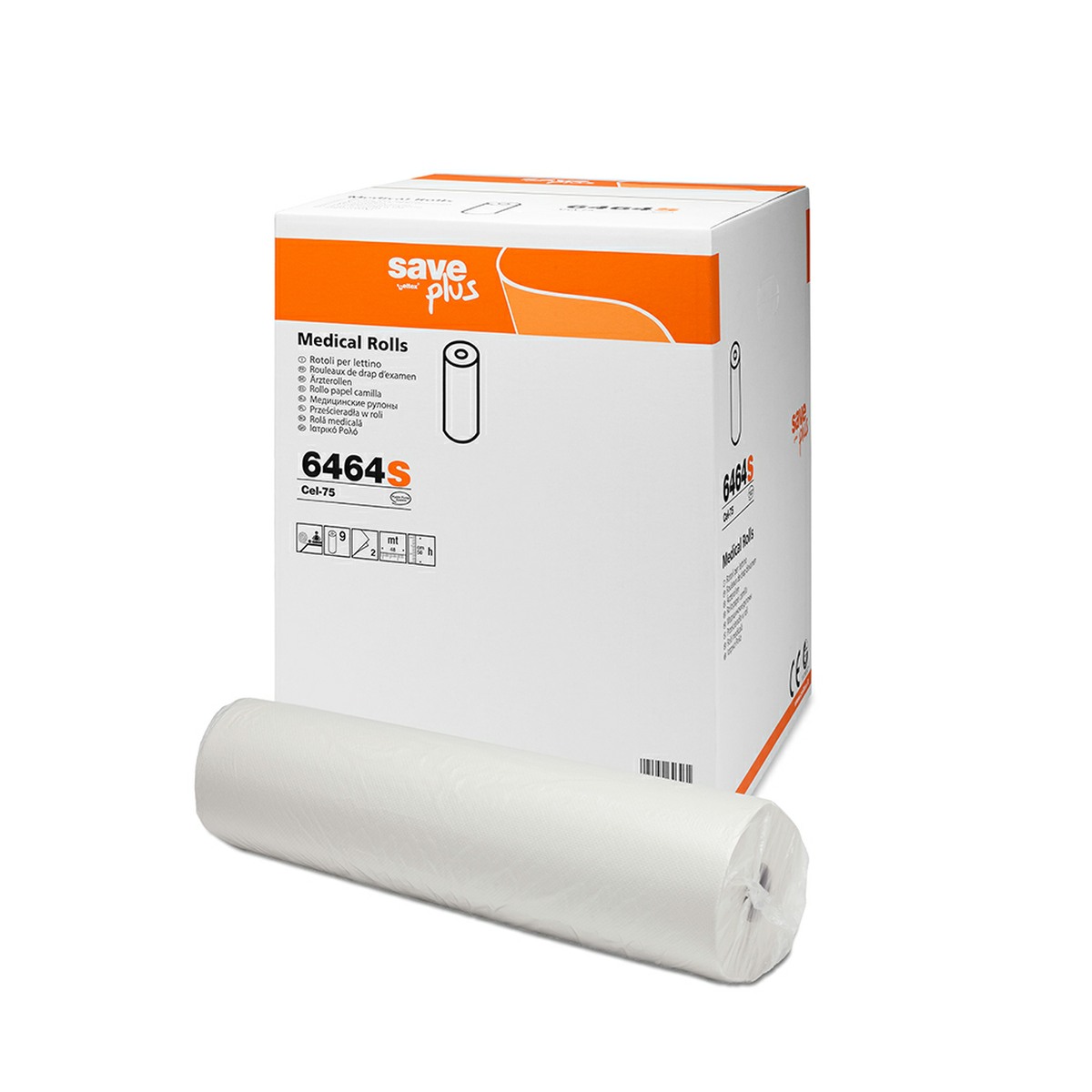
Couch roll helps protect examination surfaces between patients and may require frequent replacement in busy treatment and consultation rooms.
Disposable paper products such as tissues and paper towels support general hygiene, while appropriate cleaning wipes and surface disinfectants help practices maintain clean clinical environments throughout the working day.
Diagnostic Consumables
Many diagnostic devices rely on consumable components. These can include tongue depressors and disposable otoscope specula for routine examinations, as well as thermometer probe covers for maintaining hygiene during temperature checks.
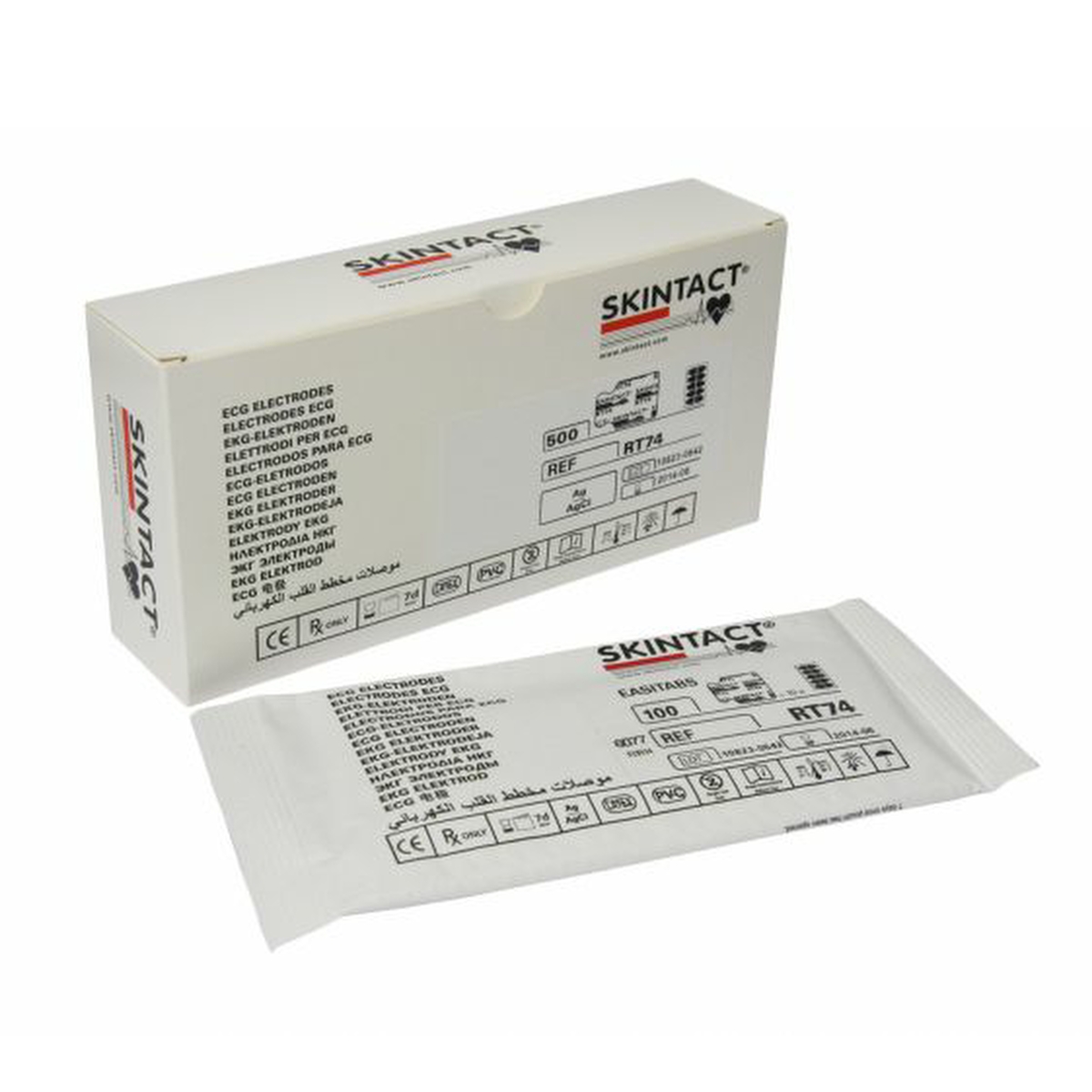
Other commonly required products may include ultrasound gel for imaging procedures, ECG electrodes for cardiac monitoring and defibrillator electrodes for compatible emergency equipment.
Building a Medical Consumables List for GP Practices
Creating an effective medical consumables list can start with categorising stock according to each treatment or consultation room. This makes it easier to ensure that individual areas contain the products required for the procedures normally carried out there.
Emergency consumables, including products associated with resuscitation equipment, should be incorporated into routine stock checks so that supplies remain available when required.
Regular stock audits or inventory tracking systems can also help identify products that are running low before shortages begin to affect day-to-day services.
Tips for Managing Healthcare Consumables Supplies
 Effective stock management is about balancing availability with efficient use of budgets and storage space.
Avoiding Overstocking and Waste
While shortages can disrupt services, excessive stock can tie up both budget and storage capacity. This is particularly important for products with defined expiry dates or limited shelf lives.
Checking Expiry Dates
Regularly rotating stock and checking expiry dates helps reduce unnecessary waste and ensures products are used within their stated usable timeframe.
Ordering From Reliable Suppliers
Working with dependable medical consumables suppliers can help practices maintain consistent access to the products they use regularly and reduce the risk of last-minute shortages.
Order Reliable Clinical Consumables for Your Practice
Ebrington Medical supplies a broad range of medical consumables and healthcare supplies for use across clinical and healthcare environments.
From medical gloves and protective wear to hand hygiene products and other everyday clinical supplies, our range is designed to support the routine requirements of healthcare providers.
If you need dependable clinical consumables for your healthcare practice, contact the Ebrington Medical team to discuss your requirements.

 117417
 40002854