

Choosing between reusable sterilised instruments and single-use disposable alternatives is a decision that needs to balance patients' safety, infection controls, operational efficiency, cost, and the environmental impact.
There's no universal right answer, but considering the trade-offs lets you make an informed choice that benefits both your patients and your organisation. At Eb-Med, we're seeing more GP surgeries, outpatient departments, and minor procedure clinics moving away from reusable surgical instruments and toward single-use options. Here's everything you need to know to make the right decision.
Infection Control and Patient Safety
Patient safety always comes first, and both types of instruments carry distinct implications for infection risk.
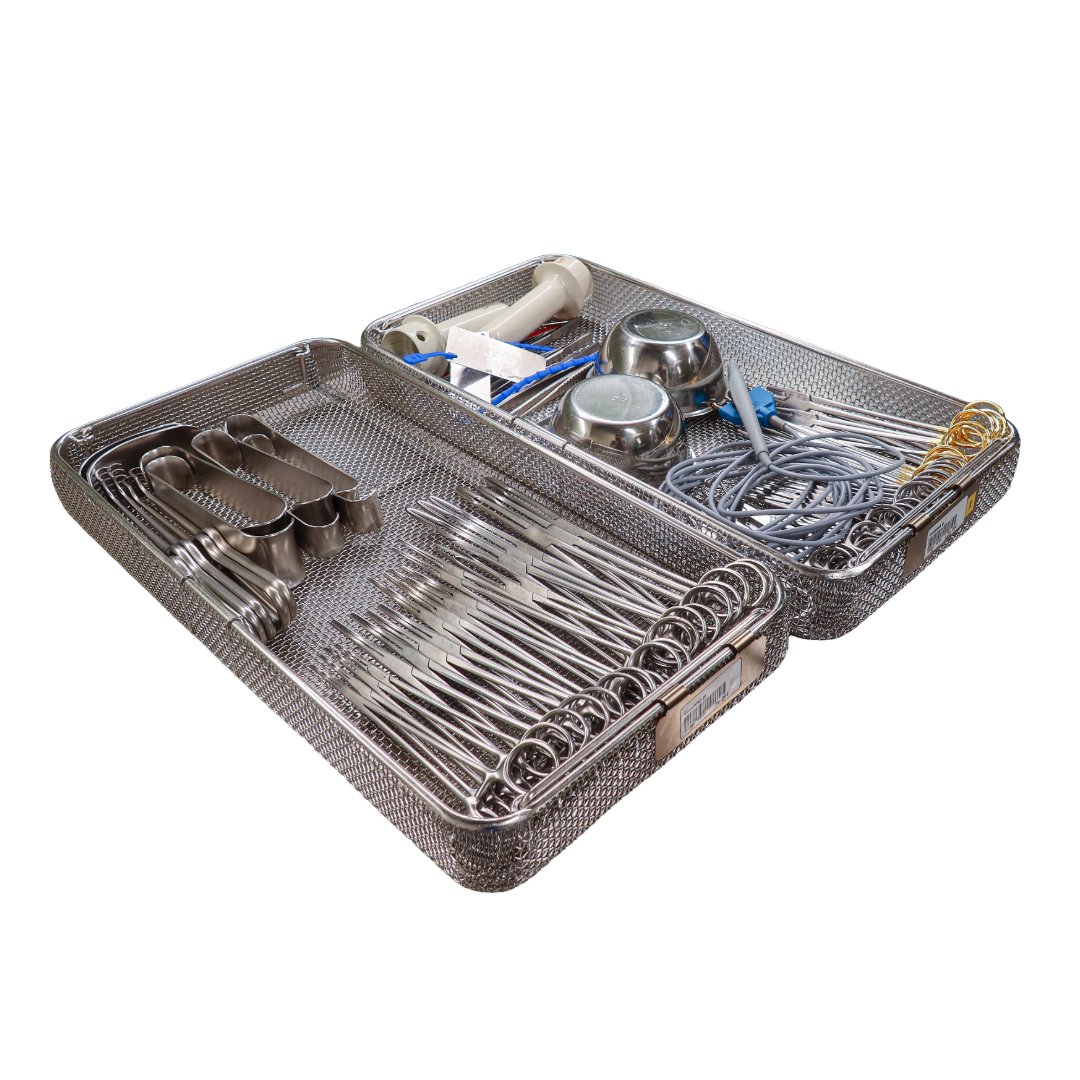
- Reusable instruments, when properly processed, can be highly effective. However, their safety is dependent on the rigour of your decontamination protocols. Inadequate cleaning, improperly maintained autoclaves, or human error in the sterilisation cycle can leave residual bioburden (microorganisms): creating a risk of cross-contamination between patients.
Reusable instruments with more complex designs such as those with lumens or hinged joints, are more difficult to clean.

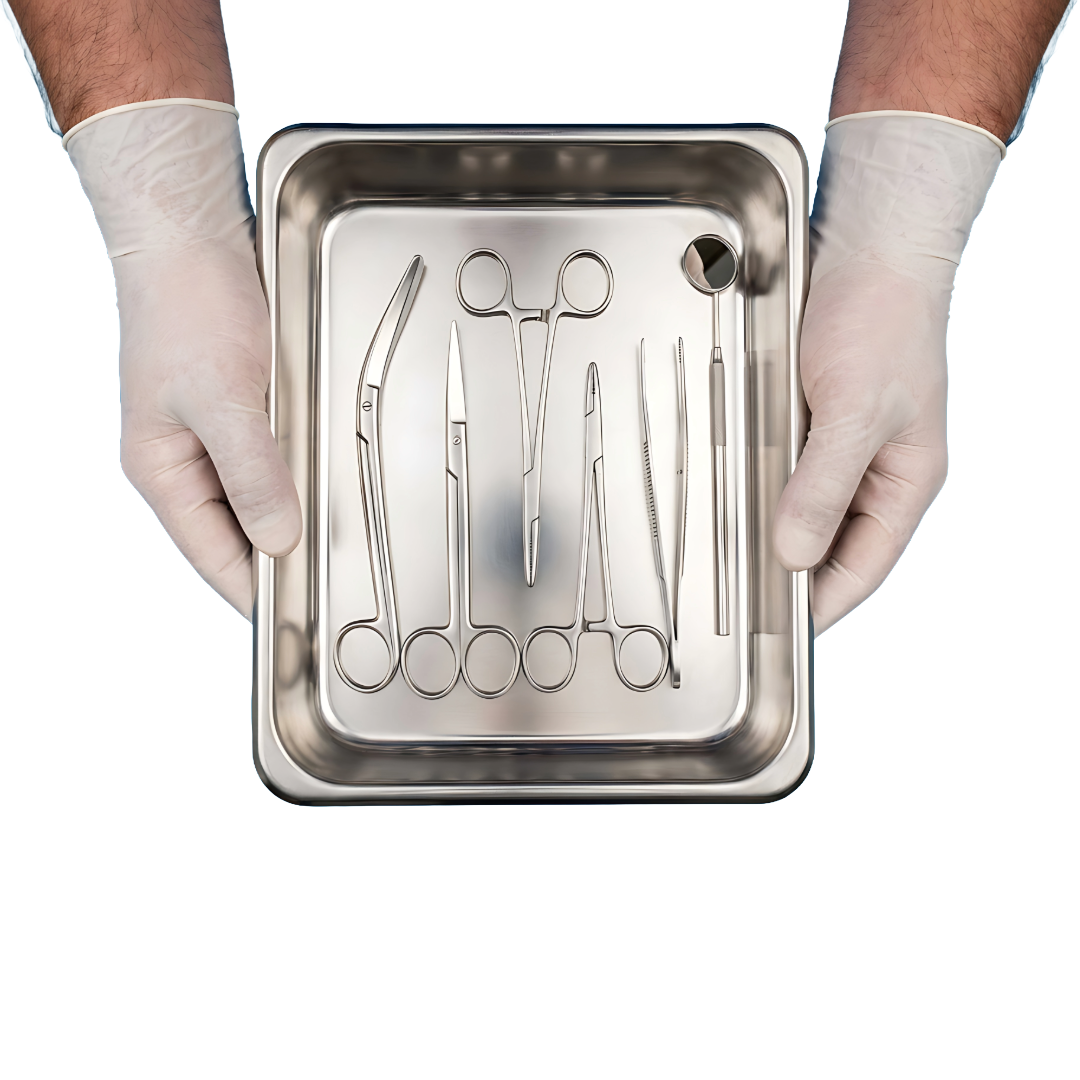
- Single-use instruments eliminate this risk entirely. Because they are supplied as sterile and then discarded after one procedure, they remove the need for reprocessing altogether. For high-risk procedures or immunocompromised patients, this can be clinically beneficial.
The trade-off is that quality can vary considerably between manufacturers, making the selection of the supplier more important.
 The Key Cost Considerations
Cost comparisons between the two options are rarely straightforward, and surface-level figures can be misleading. These are the key differences:
Single-use instruments carry a higher per-unit cost, which can feel like a notable factor when calculated at volume. However, this price includes the instrument in a sterile, ready-to-use state with no additional processing required. The hidden costs of reusable instruments can be underestimated: staff time for decontamination and reprocessing, chemical detergents and cleaning agents, water and energy consumption, servicing and repairs to sterilisation equipment, and the capital outlay for autoclaves and storage infrastructure.
Reusable instruments do offer a lower cost per use over their lifespan, provided they're maintained correctly and are replaced at the appropriate intervals. The economics are most favourable in high-volume settings with efficient, well-managed sterile services departments. For smaller practices or facilities without that dedicated reprocessing infrastructure, the true cost of reusables may be a lot higher than was anticipated.
How Does the Environmental Impact Compare?
Neither option is without any environmental consequences, and this is an area of growing scrutiny across the NHS and private healthcare.
Single-use instruments generate clinical waste: plastic packaging, disposable components, and the instruments themselves all require specialist disposal. This creates both a carbon footprint and ongoing waste management costs.
On the other hand, reusable instruments reduce physical waste but consume energy, water, and chemicals throughout repeated sterilisation cycles. The environmental benefit depends heavily on how efficiently you can reprocess them.
To reduce your environmental footprint, you could think about auditing your organisation's instrument usage to avoid any unnecessary processing, sourcing instruments from manufacturers with sustainable production credentials, and exploring recycling schemes where they're available.
If you use single-use for high-risk or low-volume procedures and reusable instruments for routine high-volume work, you can help to balance your clinical and sustainability goals.

Make the Right Decision for Your Setting
Eb-Med supports healthcare providers across the full spectrum of instrument procurement, helping you weigh up clinical, financial, and operational factors specific to your setting.
Unsure which approach delivers better value for your facility? Download this chart to see the savings for yourself: Do You Know the Total Cost of Your Instruments?

 117417
 40002854