

 Choosing the right sterilisation packaging is an important part of the sterile-services process.
 Choosing the right sterilisation packaging is an important part of the sterile-services process.
For Sterile Services Departments (SSDs), Central Sterile Services Departments (CSSDs) and other healthcare settings processing reusable medical instruments, packaging needs to do more than simply contain an item. It must be suitable for the intended sterilisation process and help protect the contents through handling, storage and transport until the point of use.
Different instruments and workflows may require different packaging formats. Sterilisation pouches, bags and reels each offer distinct practical advantages, from the convenience of a pre-sized pouch to the flexibility of cutting a reel to suit an instrument.
This guide explains the main types of sterilisation packaging and the factors healthcare teams should consider when choosing between them.
What is sterilisation packaging?
Sterilisation packaging is designed to contain medical devices or instruments while allowing the applicable sterilisation process to take place and subsequently protecting the contents until they are opened for use.
The correct packaging solution depends on several factors, including:
- the size and shape of the instrument
- the sterilisation method being used
- the packaging manufacturer's instructions for use
- the sealing method available within the department
- handling and storage requirements
- the healthcare organisation's own procedures and validation requirements
Rather than using a single format for every instrument, SSD and CSSD teams may therefore use a combination of pouches, bags and reels within the same department.
1. Self-seal sterilisation pouches
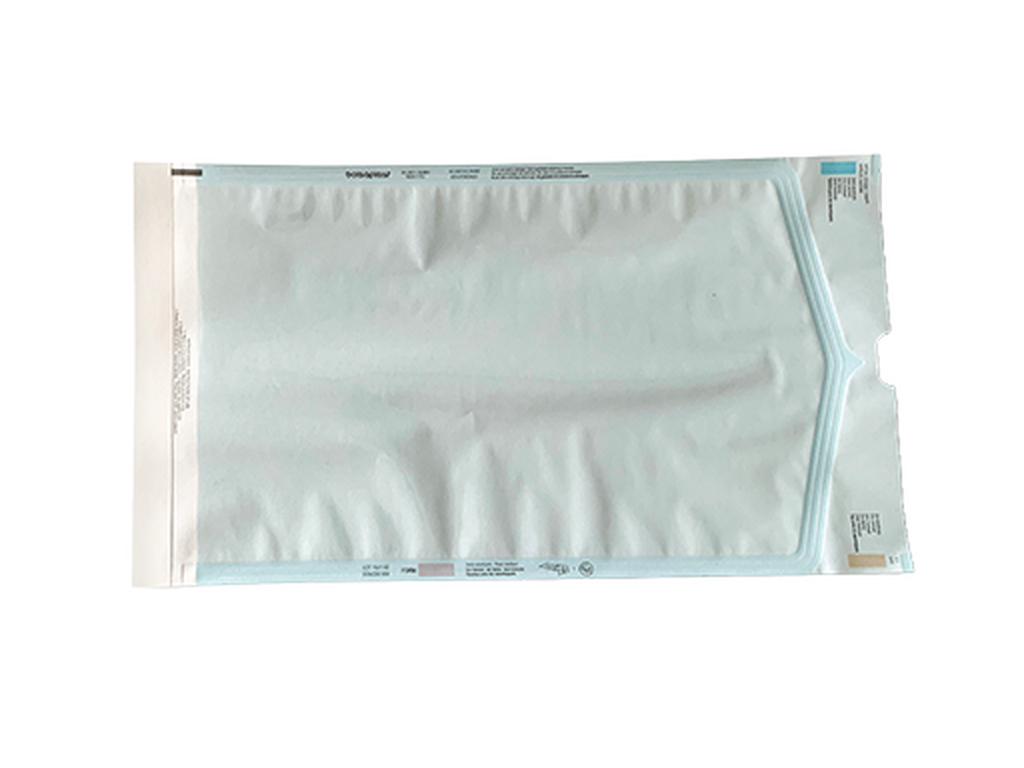 1. Self-seal sterilisation pouches
Self-seal pouches are pre-formed pouches with an integrated sealing system. This allows the pouch to be closed without a separate heat-sealing machine, subject to the manufacturer's instructions for use.
They can be a convenient option where departments need straightforward packaging for appropriately sized individual instruments or smaller items.
When can self-seal pouches be useful?
They may be considered where:
- a pre-sized pouch suits the instrument
- smaller or individual items are being packaged
- a straightforward closure method is preferred
- heat-sealing equipment is not being used for that particular packaging workflow
Because the pouch already has a defined size, selecting appropriate dimensions remains important. Instruments should not be forced into packaging that is too small or places unnecessary stress on the material or seal.
Vernacare includes Self Seal Pouches within its medical packaging range for sterile-services applications.
2. Flat heat-seal pouches
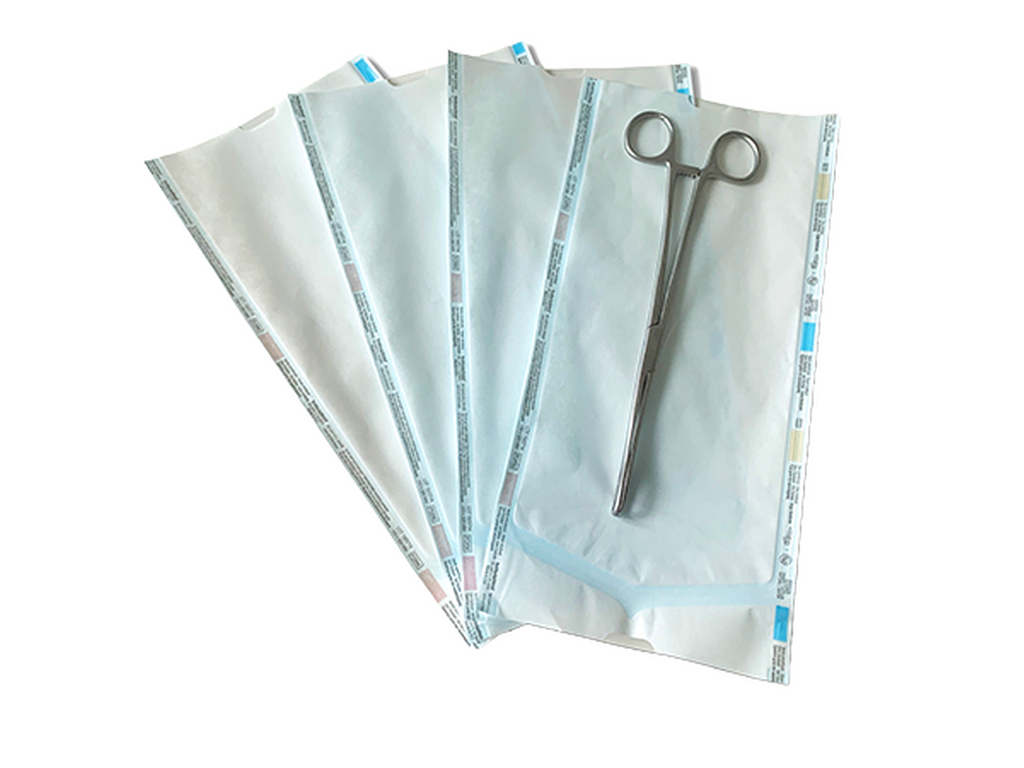 2. Flat heat-seal pouches
Flat heat-seal pouches are also supplied in predetermined sizes, but instead of using an integrated self-sealing closure, they are designed to be sealed using compatible heat-sealing equipment.
These can be particularly useful where a department repeatedly processes instruments of similar dimensions and can standardise an appropriate pouch size.
Why choose a flat pouch?
Potential practical advantages include:
- consistent pre-cut dimensions
- straightforward stock selection
- compatibility with heat-sealing workflows
- efficient processing of frequently packaged instruments
Where the same types of instruments are processed repeatedly, having a range of established pouch sizes can make packaging selection more consistent.
3. Heat-seal bags
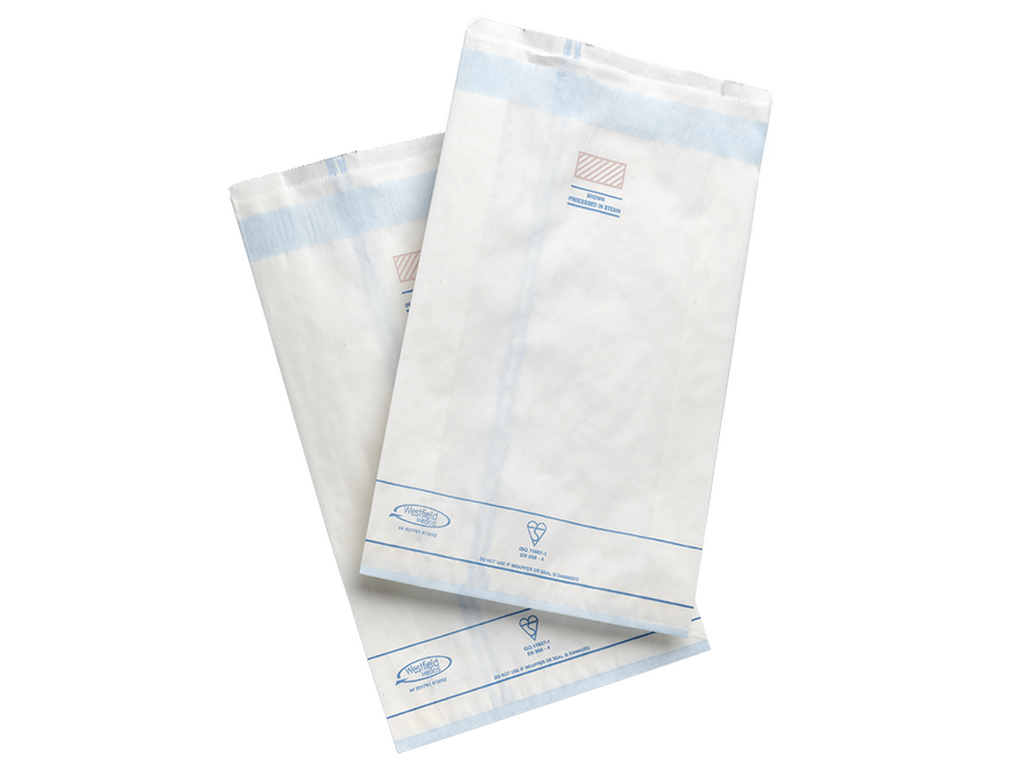 3. Heat-seal bags
Heat-seal bags provide another pre-formed packaging option for medical instruments and supplies.
The open end is closed using suitable heat-sealing equipment, in line with the product's instructions for use and the department's established process.
Pre-formed bags can be useful where healthcare teams want:
- predetermined packaging dimensions
- repeatability for commonly processed items
- compatibility with an established heat-sealing workflow
The terminology used for bags and pouches can vary between manufacturers, so users should always refer to the specific product specification rather than assuming that all formats are interchangeable.
4. Plain-top bags
 4. Plain-top bags
Plain-top bags are supplied without an integrated self-sealing closure and are intended for use within an appropriate packaging process according to the manufacturer's instructions.
As with other sterile barrier packaging, the specific product, closure method, sterilisation process and validation requirements should all be considered together.
For departments using a mix of packaging formats, plain-top bags can provide another pre-sized option for instruments or supplies that fit the specified dimensions.
5. Flat sterilisation reels
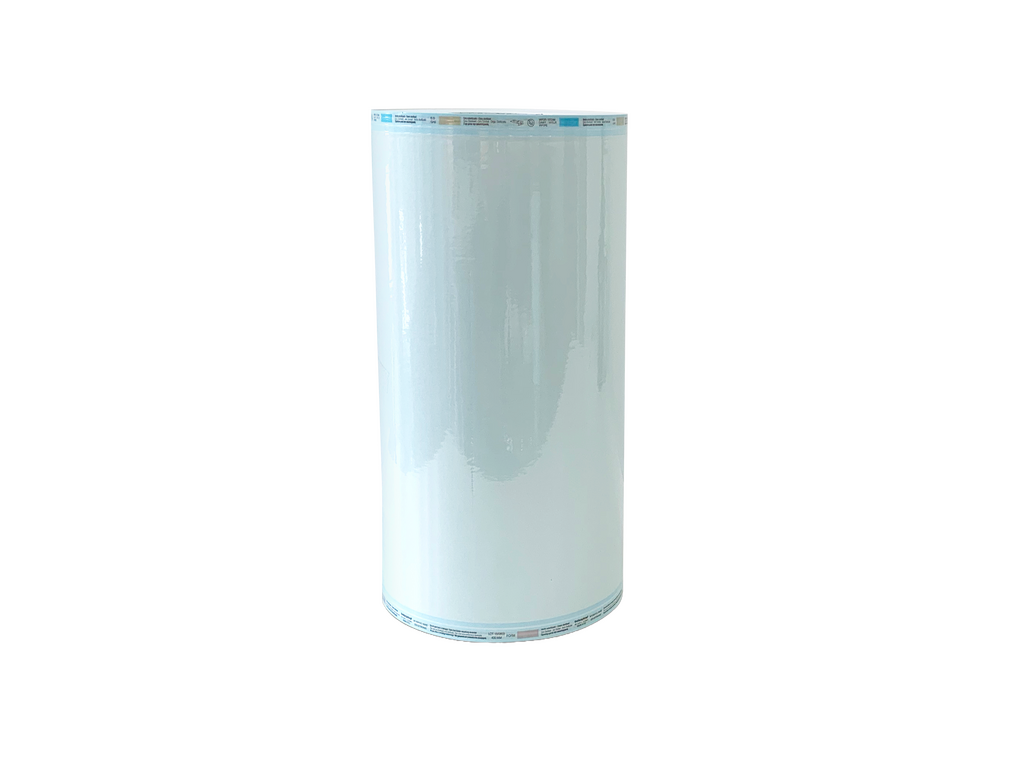 5. Flat sterilisation reels
Reels differ from pre-sized pouches and bags because the required length can be selected at the point of use.
Instead of stocking a separate pouch length for every instrument, teams can cut reel material to an appropriate size before sealing it according to their established process.
This makes reels particularly useful where an SSD or CSSD processes instruments in a wide variety of lengths.
Why use a flat reel?
A flat reel may be considered when:
- instrument lengths vary considerably
- standard pouch sizes are not suitable
- greater flexibility is required from packaging stock
- longer or less standardised items need to be accommodated
Reels generally require compatible cutting and heat-sealing equipment, together with a controlled process for creating consistent seals.
6. Gusseted sterilisation reels
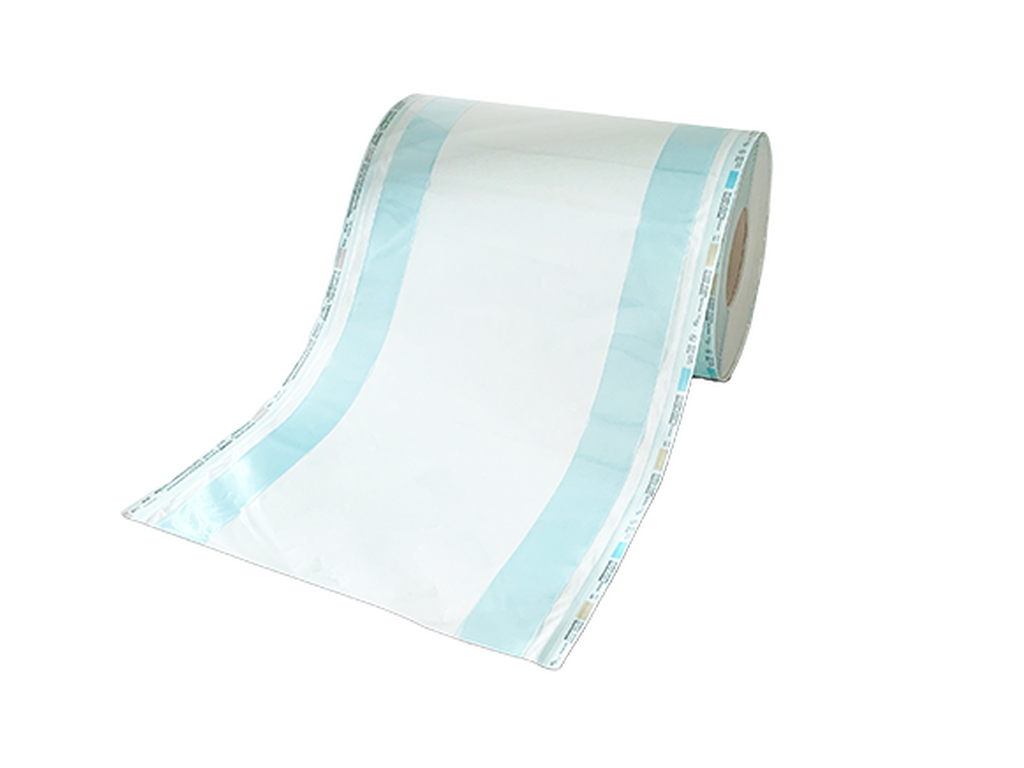 6. Gusseted sterilisation reels
A gusseted reel incorporates additional material at the sides, allowing the package to expand to accommodate greater depth or volume.
This makes it useful where a standard flat pouch or reel cannot comfortably accommodate the profile of an instrument.
When might a gusseted reel be considered?
Typical considerations include:
- bulky devices
- instruments with greater depth
- irregularly shaped items
- devices that do not sit appropriately within flat packaging
The objective should not simply be to make an item fit. Packaging should remain suitable for the device, sterilisation method and validated process being used.
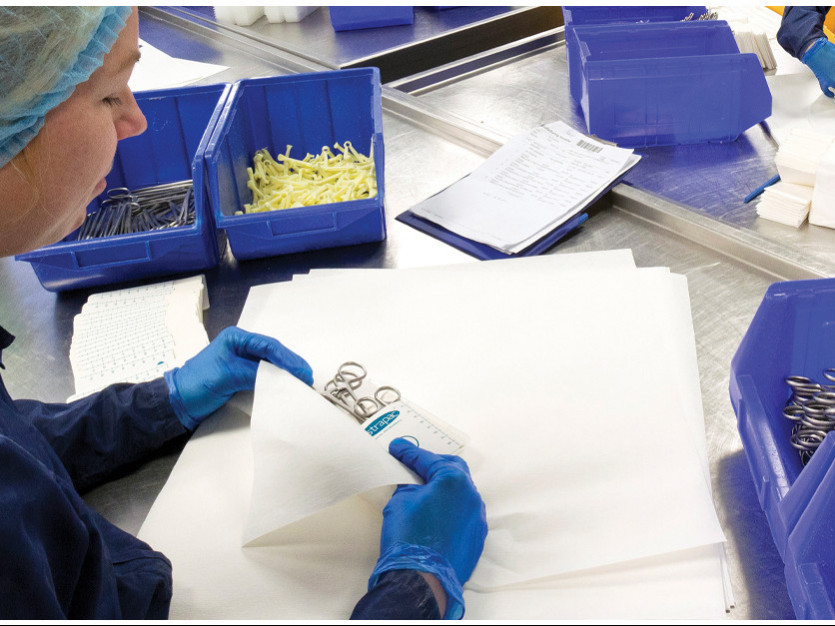 Pouches, bags and reels are not the only forms of sterile-services packaging.
Pouches vs bags vs reels: what is the difference?
The simplest way to distinguish the formats is by considering how much of the package is predetermined before use.
| Packaging type | Format | Typical practical consideration |
|---|---|---|
| Self-seal pouch | Pre-sized | Integrated closure for straightforward packaging |
| Flat heat-seal pouch | Pre-sized | Consistent sizing with heat sealing |
| Heat-seal bag | Pre-sized | Suitable for established heat-sealing workflows |
| Plain-top bag | Pre-sized | Closure depends on the specified packaging process |
| Flat reel | Cut to required length | Flexible for instruments of different lengths |
| Gusseted reel | Cut to required length with expandable sides | Useful for bulkier or irregularly shaped items |
There is therefore no single packaging format that is automatically suitable for every reusable instrument.
Considerations when choosing the right sterilisation packaging
A useful starting point is to work through the instrument and processing requirements systematically.
Instrument size
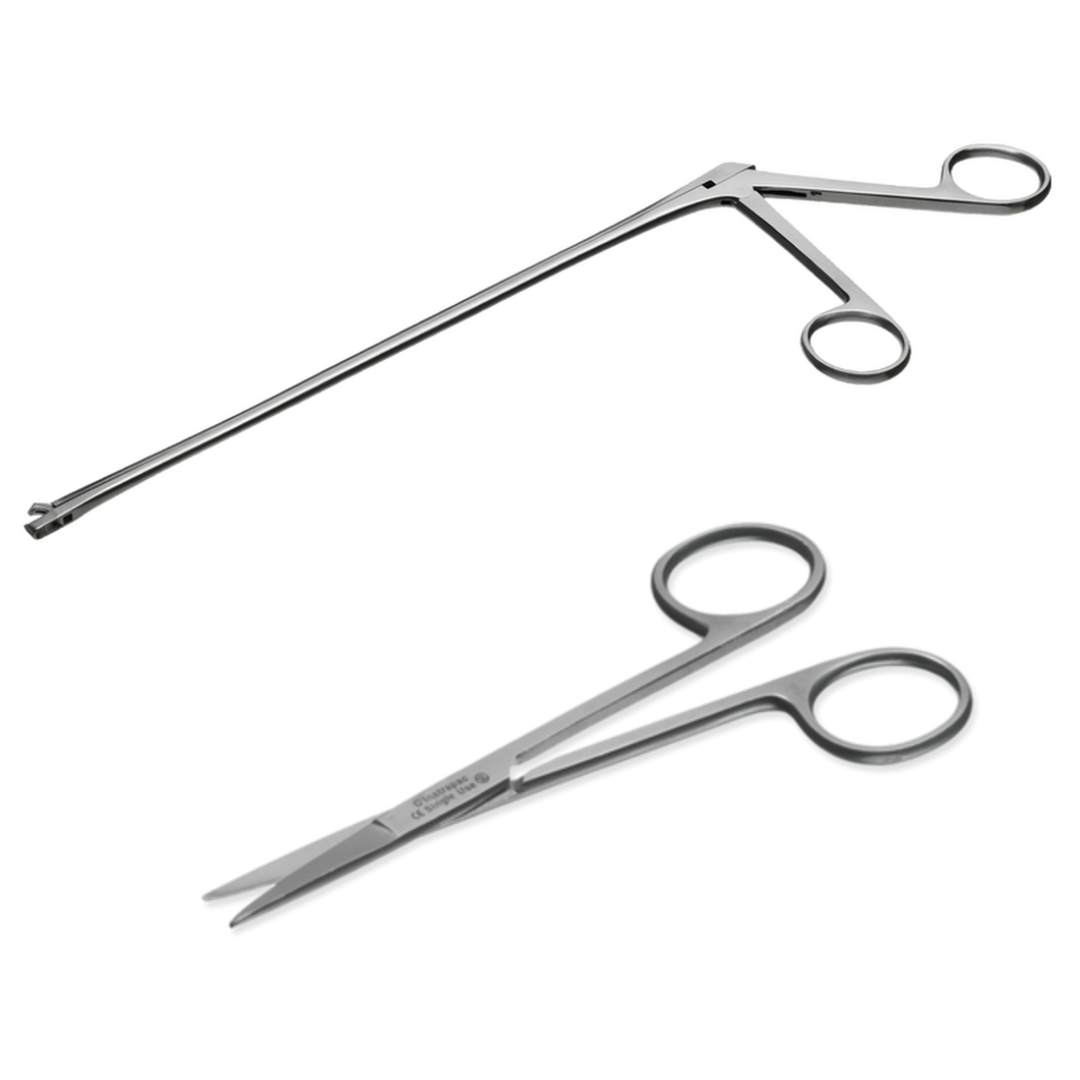
The packaging should be appropriately sized for the device being processed.
Packaging that is too small may place unnecessary stress on the material or seals, while excessively large packaging can increase material use and reduce workflow efficiency.
Instrument shape and depth
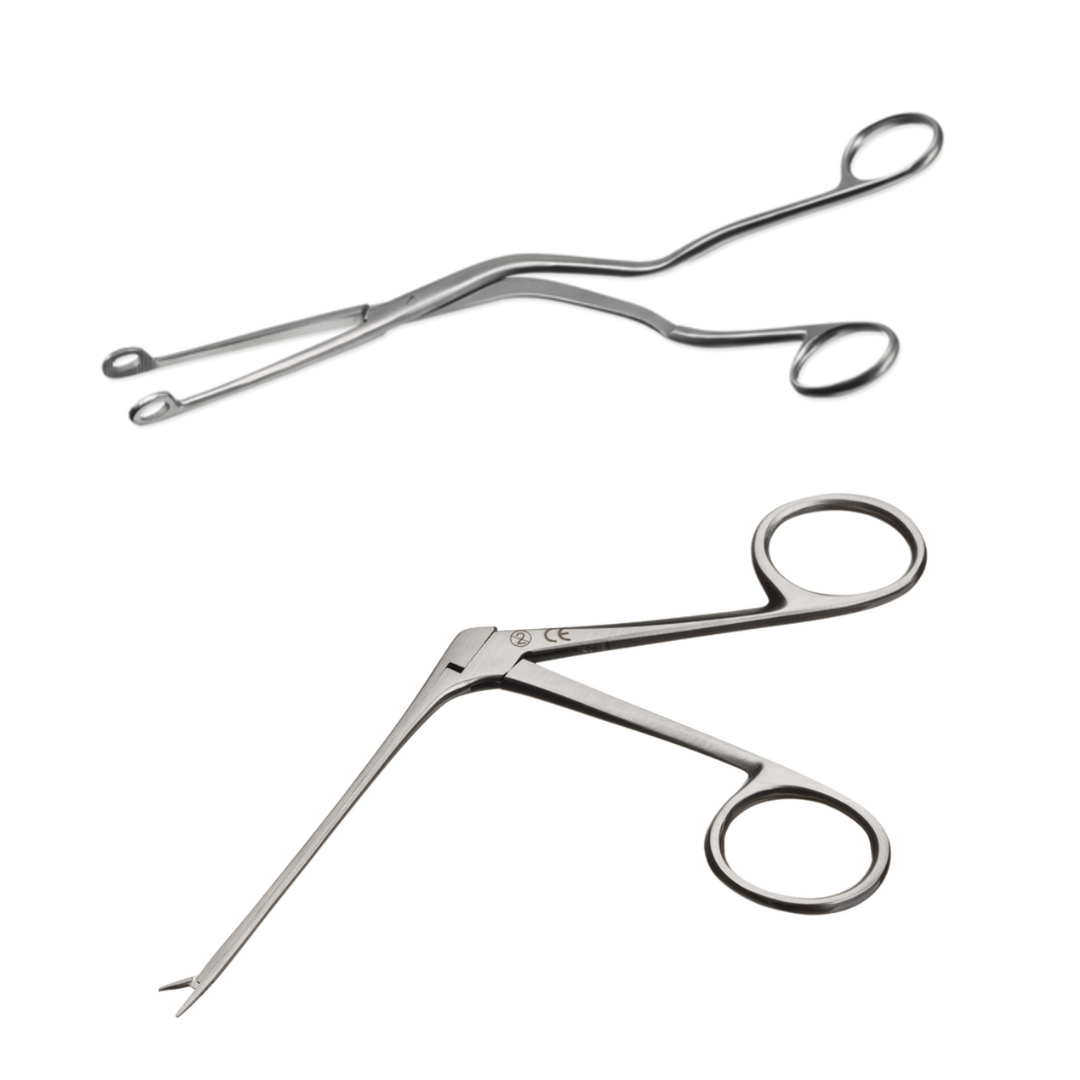
A slim or relatively flat instrument may suit a standard pouch or flat reel.
A deeper or irregularly shaped item may require a different format, such as a gusseted reel.
Sterilisation method

Packaging materials must be suitable for the sterilisation process for which they are intended.
Healthcare teams should always follow the relevant device, steriliser and packaging manufacturers' instructions for use alongside their own validated procedures.
Sealing process
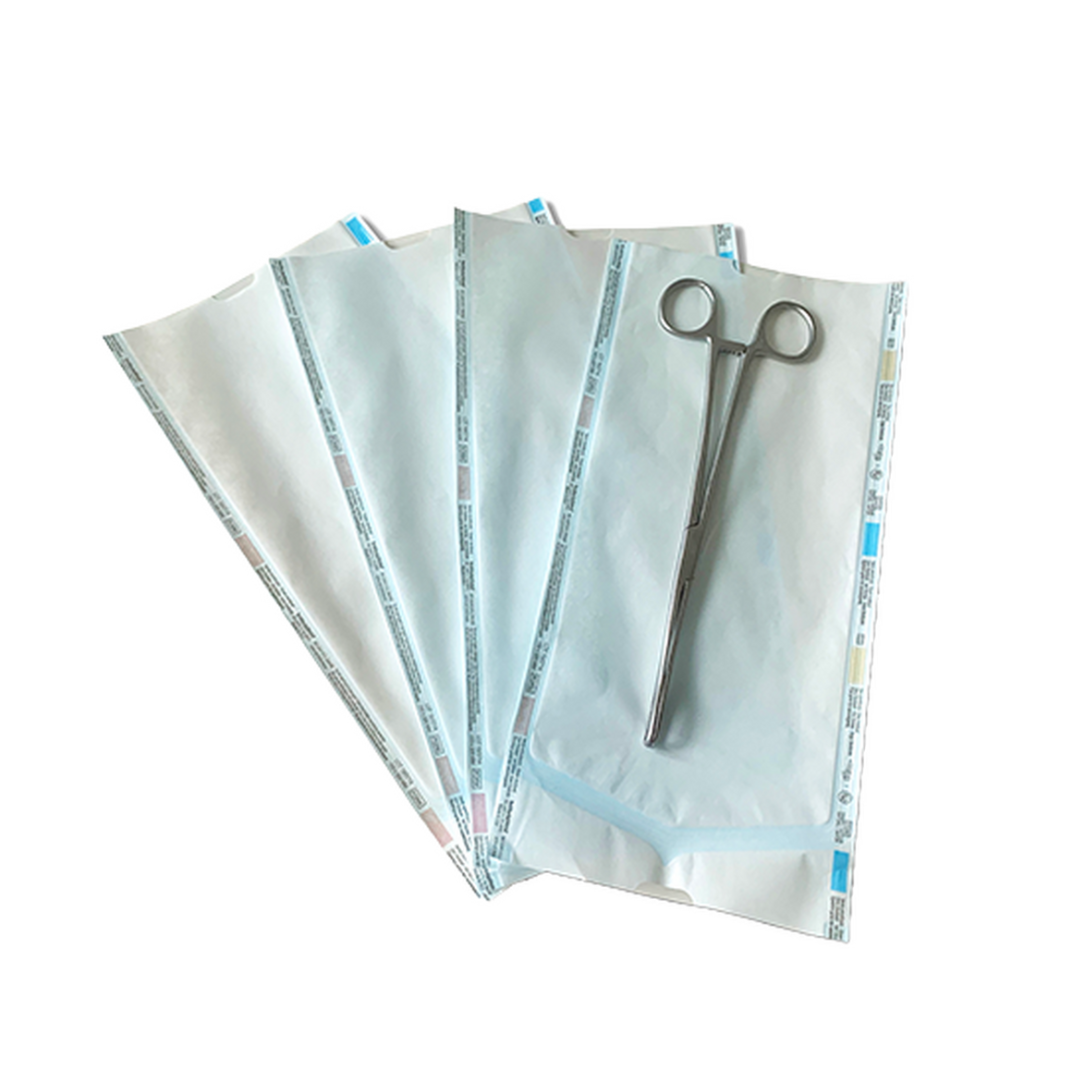
Departments using packaging that requires heat sealing need suitable sealing equipment and a controlled process.
Self-seal pouches provide an alternative where that format is appropriate for the intended application.
Range of instruments being processed
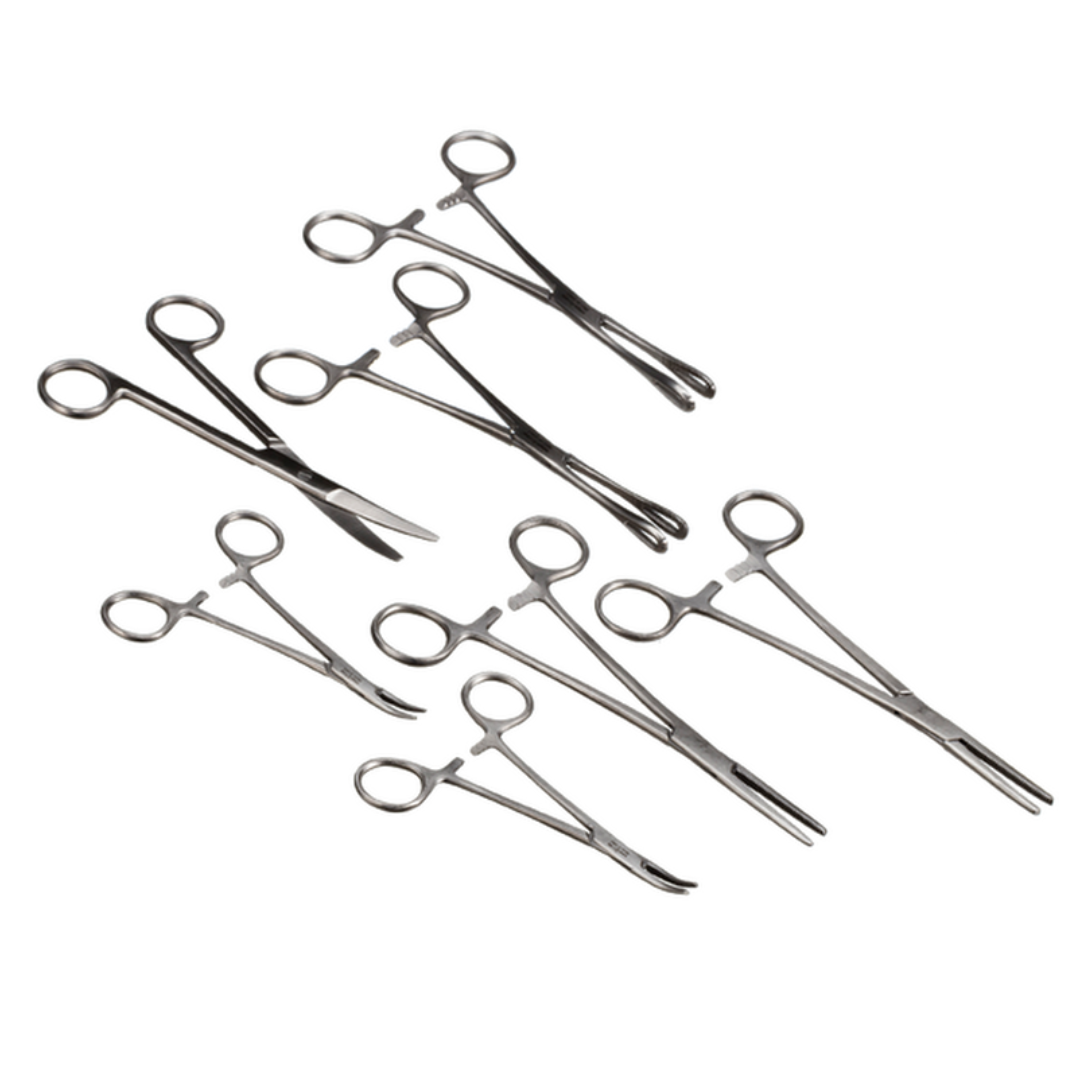
A department processing a relatively narrow range of standard instruments may benefit from stocking several predetermined pouch or bag sizes.
A facility processing many different instrument lengths or configurations may find reels provide useful additional flexibility.
Storage and handling
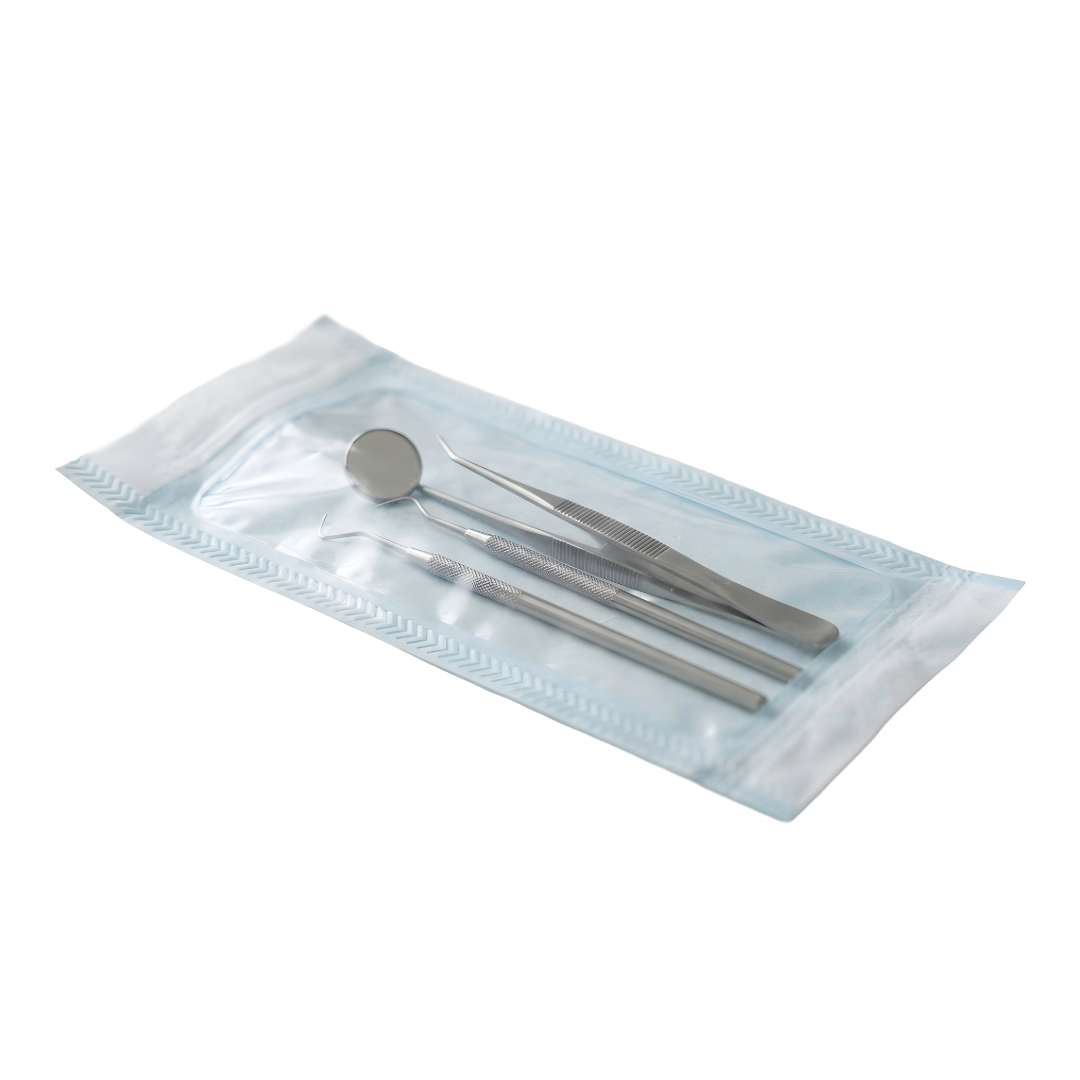
Packaging also needs to remain suitable through handling, transport and storage.
Selection should therefore consider the full pathway from instrument preparation and sterilisation through to presentation for use.
Why packaging choice matters in sterile services
Sterile-services departments operate within highly controlled processes where consistency and repeatability matter.
Packaging sits between several stages of the instrument pathway:
Decontamination → inspection and preparation → packaging → sterilisation → storage and transport → presentation for use
Choosing an appropriate packaging format can help teams create a more consistent workflow around different instrument types while meeting their relevant procedures and validation requirements.
Frequently asked questions
Are sterilisation pouches and sterilisation reels the same thing?
No. A pouch is generally supplied in a predetermined size, whereas reel material can be cut to an appropriate length before sealing.
When would you use a reel instead of a pouch?
Reels can be useful where a department needs greater flexibility to accommodate instruments of different lengths or dimensions.
What is the difference between a flat reel and a gusseted reel?
A flat reel has a flat profile. A gusseted reel incorporates expandable sides, providing additional capacity for bulkier or irregularly shaped items.
Do all sterilisation pouches need a heat sealer?
No. Some packaging is designed for heat sealing, while self-seal pouches incorporate their own closure system. Always follow the manufacturer's instructions for the specific product being used.
Can any packaging be used with any sterilisation process?
No. Packaging should be selected for compatibility with the intended sterilisation process and used in accordance with the relevant manufacturers' instructions, local procedures and validation requirements.
When should sterilisation wrap be used instead of a pouch or reel?
Sterilisation wrap is typically considered for trays, sets or larger instrument configurations that are not suited to pouch or reel packaging. The appropriate option will depend on the items being processed and the facility's validated procedures.
Choosing sterilisation packaging for your department
For SSD and CSSD teams, the most useful question is rarely simply "pouch, bag or reel?"
Instead, consider:
What are we packaging, how will it be sterilised, how will the package be sealed, and what does it need to withstand before the instrument reaches the point of use?
Answering those questions makes it easier to determine whether a pre-sized self-seal or heat-seal pouch, a bag, a flat reel or a gusseted reel is the most appropriate format for the application.
Ebrington Medical supplies sterilisation packaging for healthcare facilities across the UK and Ireland. If you are reviewing packaging sizes, formats or requirements for your sterile-services department, contact the Ebrington Medical team to discuss the available options.

 117417
 40002854