

As More Procedures Move into Primary Care and Private Clinics, Patient Monitoring Remains Essential
Posted on: 24/06/2026
 Healthcare delivery continues to evolve, with an increasing number of procedures now being performed outside traditional hospital settings.
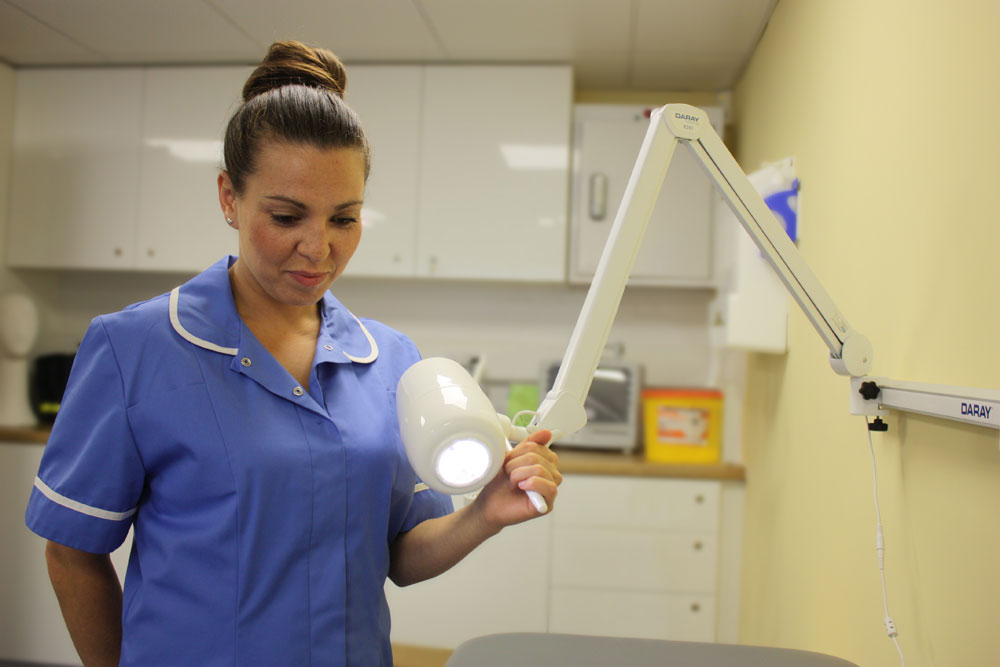 Healthcare delivery continues to evolve, with an increasing number of procedures now being performed outside traditional hospital settings.
Services such as vasectomies, minor surgical procedures and, increasingly, carpal tunnel release surgery are being delivered within GP practices, private clinics, community healthcare facilities and specialist outpatient centres. This shift is helping to improve patient access, reduce waiting times and bring care closer to home.
While the setting may be changing, the need to maintain high standards of patient safety remains exactly the same.
The Growing Role of Community and Private Healthcare Providers
As demand for healthcare services continues to grow, both NHS and private healthcare providers are looking for ways to increase capacity and improve access to treatment.
As a result, many procedures that were once performed almost exclusively within hospitals are now being delivered in appropriately equipped GP practices, private clinics and community settings.
For patients, this often means:
- Faster access to treatment
- Reduced waiting times
- Greater convenience
- Care delivered closer to home
For providers, it creates opportunities to expand services and meet growing patient demand. However, it also requires organisations to ensure they have the equipment, facilities and clinical infrastructure necessary to support safe and effective care.
 Why Vital Signs Monitoring Matters
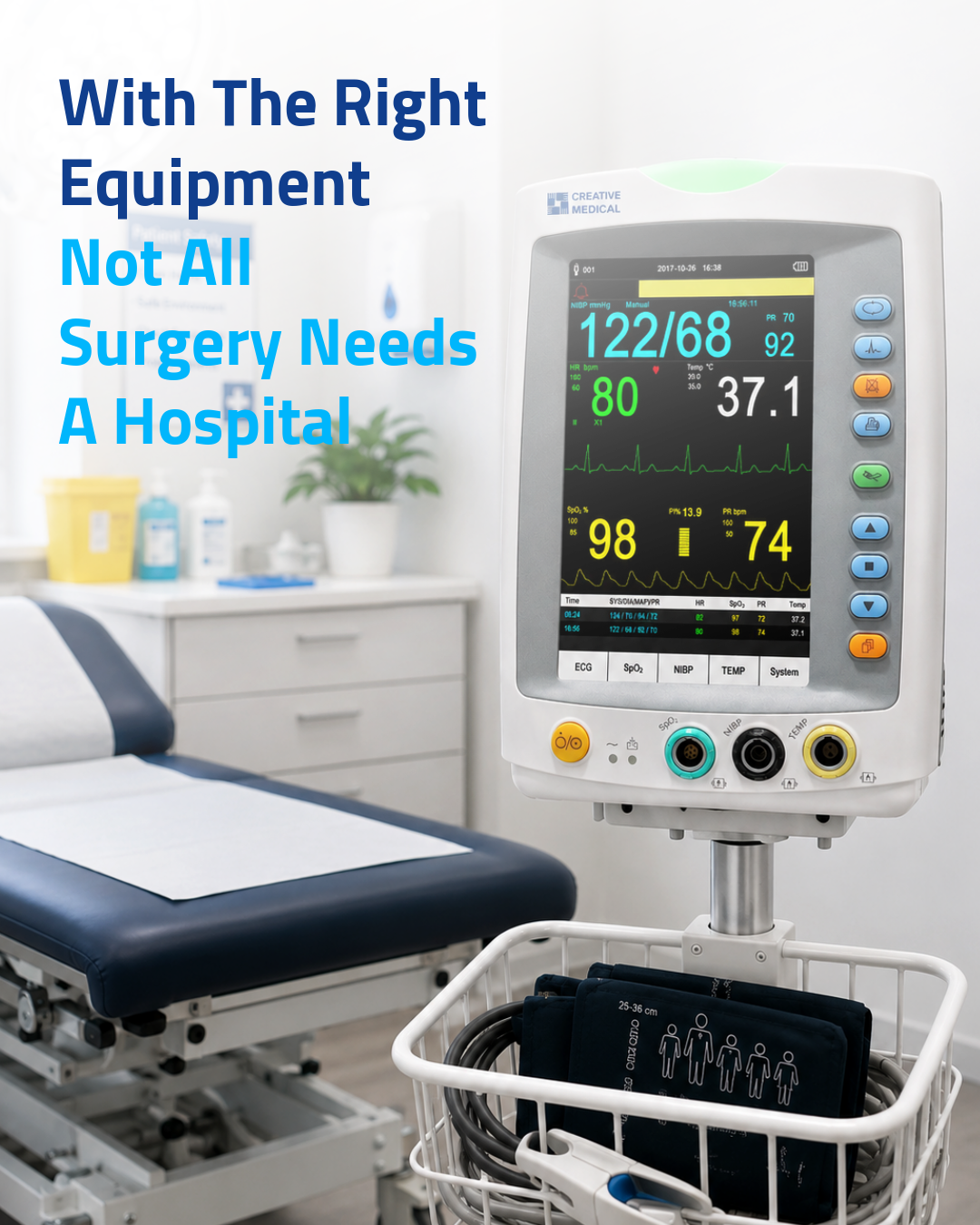
Regardless of where a procedure takes place, whether carrying out a vasectomy, carpal tunnel release procedure or other minor surgery, clinicians need to be able to monitor a patient's condition throughout the treatment pathway.
Vital signs monitors provide important clinical observations, including:
- Blood pressure
- Pulse rate
- Oxygen saturation (SpO₂)
- Temperature (where applicable)
These measurements help clinicians assess patient wellbeing before, during and after a procedure and provide valuable information to support clinical decision-making. While many community-based procedures are considered routine, maintaining visibility of a patient's condition remains an important part of delivering safe care.
Supporting Clinical Confidence
Reliable patient monitoring equipment provides reassurance for both clinicians and patients.
Alongside procedure couches, examination lighting, emergency equipment and surgical consumables, vital signs monitors form part of the essential infrastructure required to support procedural services within primary care environments.
As healthcare organisations continue to expand the range of treatments they provide, ensuring appropriate monitoring equipment is available helps support clinical confidence and operational readiness.
The Standards Shouldn't Change
The movement of procedures such as carpal tunnel release and vasectomies into community settings reflects a broader trend across healthcare: delivering more care closer to patients.
However, regardless of where a procedure takes place, maintaining robust clinical standards remains essential.
The environment may change.
The commitment to patient safety should not.
As more procedures move beyond hospital walls, reliable patient monitoring will continue to play an important role in supporting high-quality patient care.

 117417
 40002854