

False Economies in Private Healthcare: When Cost Savings Come at a Cost
Posted on: 24/06/2026
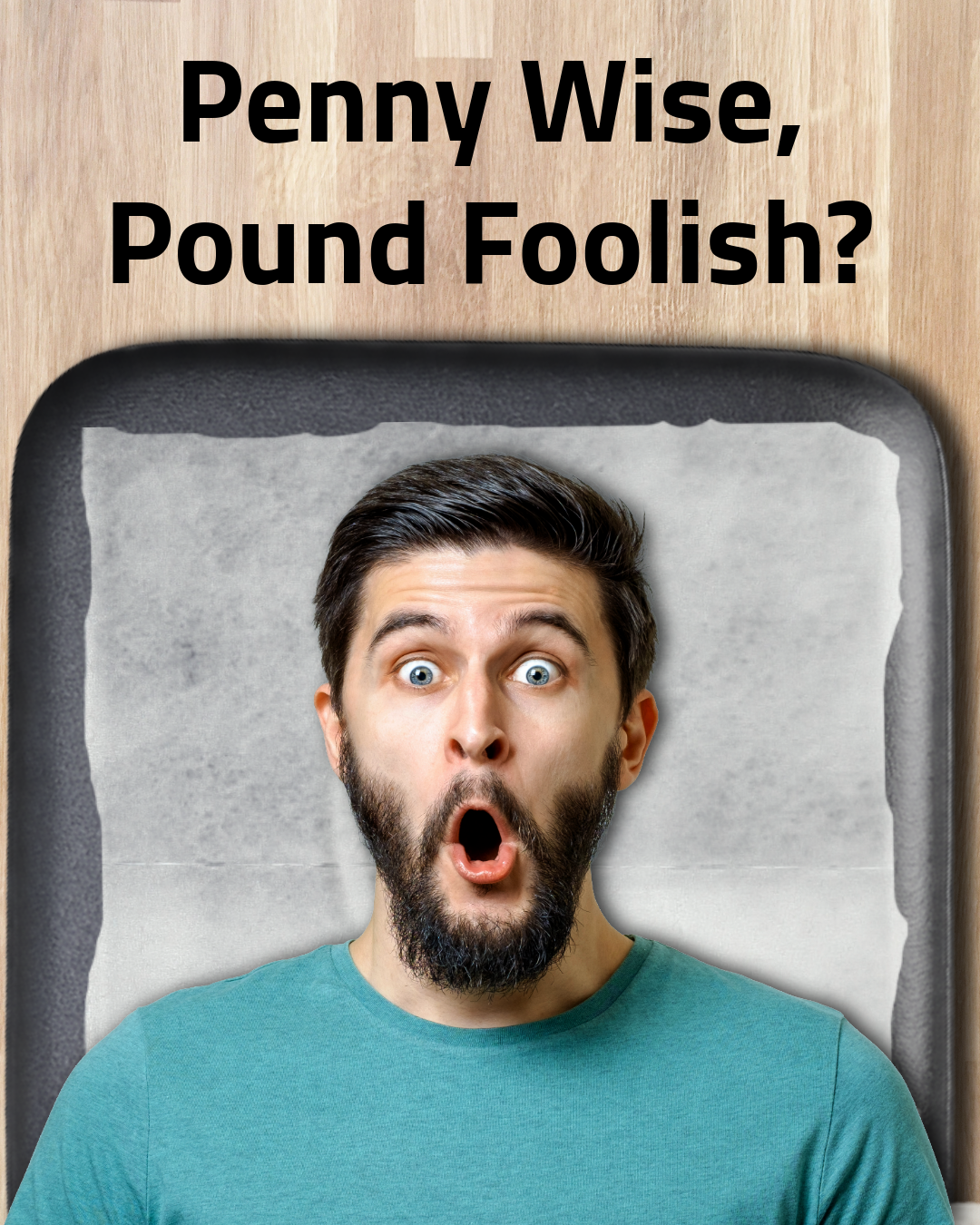
Penny Wise, Pound Foolish? The Hidden Cost of Cheap Healthcare Procurement
 Procurement
Private healthcare organisations face the same challenge as any commercial business: controlling costs while maintaining high standards of service and profitability.
The difficulty comes when procurement decisions focus solely on unit price rather than overall value.
In healthcare, the cheapest option is not always the most cost-effective. A lower purchase price can sometimes result in reduced product performance, increased waste, staff frustration, or a poorer patient experience. These hidden costs are often overlooked during purchasing decisions.
One simple example is something as everyday as couch roll.
Most patients won't consciously think about couch roll when attending a clinic or hospital appointment. However, they will notice if it tears repeatedly during an examination or treatment.
We've all experienced it. You lie back on an examination couch and the paper immediately rips, bunches up, or falls apart beneath you.
It's a small detail, but healthcare is built on small details.
Patients associate the quality of their surroundings with the quality of care they receive. If basic consumables appear flimsy or inadequate, it can unintentionally undermine confidence in the organisation's commitment to quality and infection prevention.
From an operational perspective, cheaper isn't always cheaper either.
Lower-cost couch rolls may have:
- Shorter roll lengths
- Thinner paper grades
- Reduced absorbency
- Less embossing for strength and durability
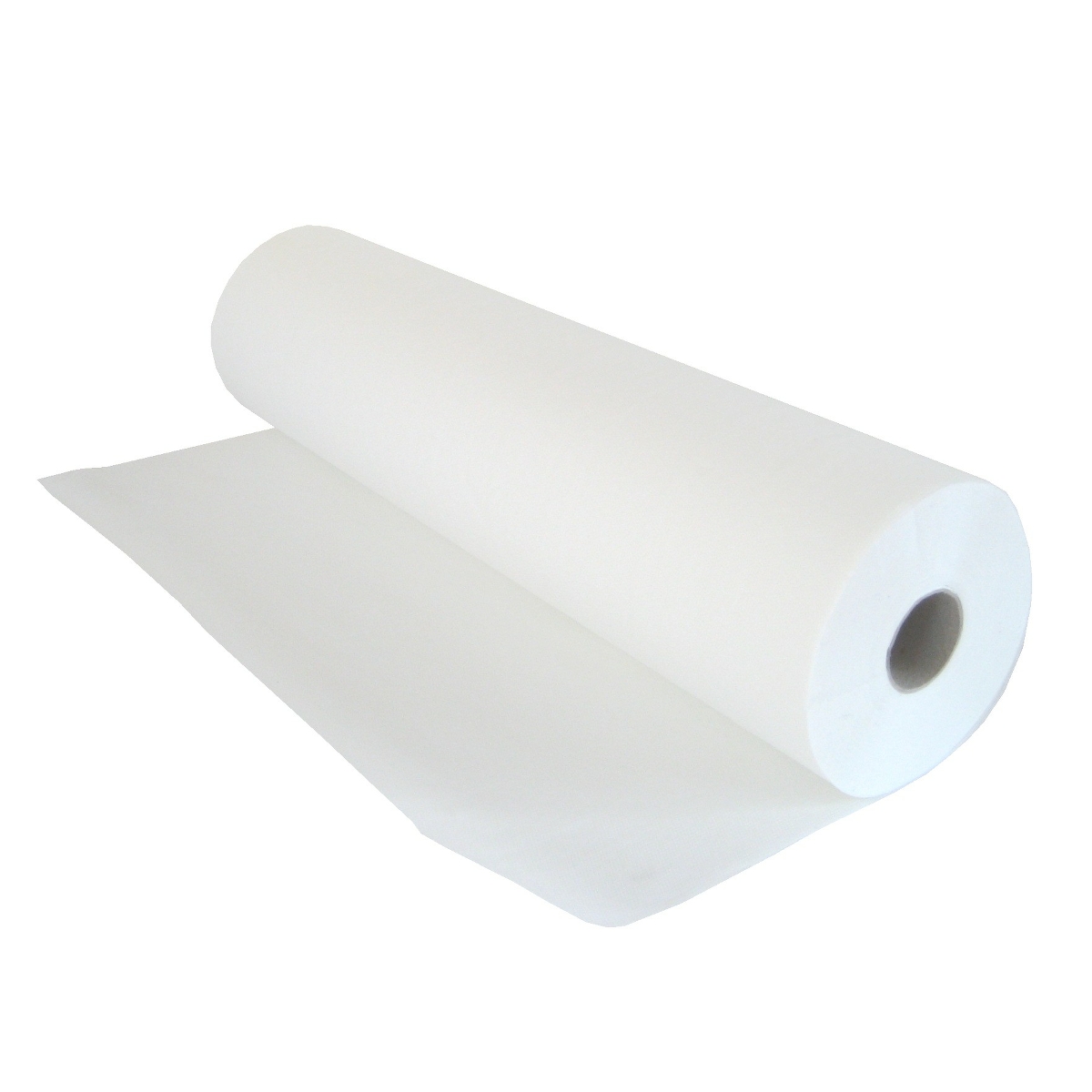
The result can be more frequent replacements, increased consumption, greater waste, and a less comfortable experience for patients.
This principle extends far beyond couch roll.
Gloves, diagnostic equipment, procedure packs, furniture, single-use instruments, and countless other products all play a role in clinical efficiency, patient experience, and operational performance.
The most effective healthcare procurement strategies focus on value rather than price alone.
The question shouldn't be:
"What's the cheapest option?"
It should be:
"Which option delivers the best outcome for our patients, staff, and organisation?"
In a premium healthcare environment, every interaction contributes to patient perception.
Sometimes the smallest products reveal the biggest insights into procurement strategy.

 117417
 40002854