

Why Equipment Calibration Matters in Healthcare
Posted on: 18/06/2026
 Treatment Efficacy: Getting the Dose Right
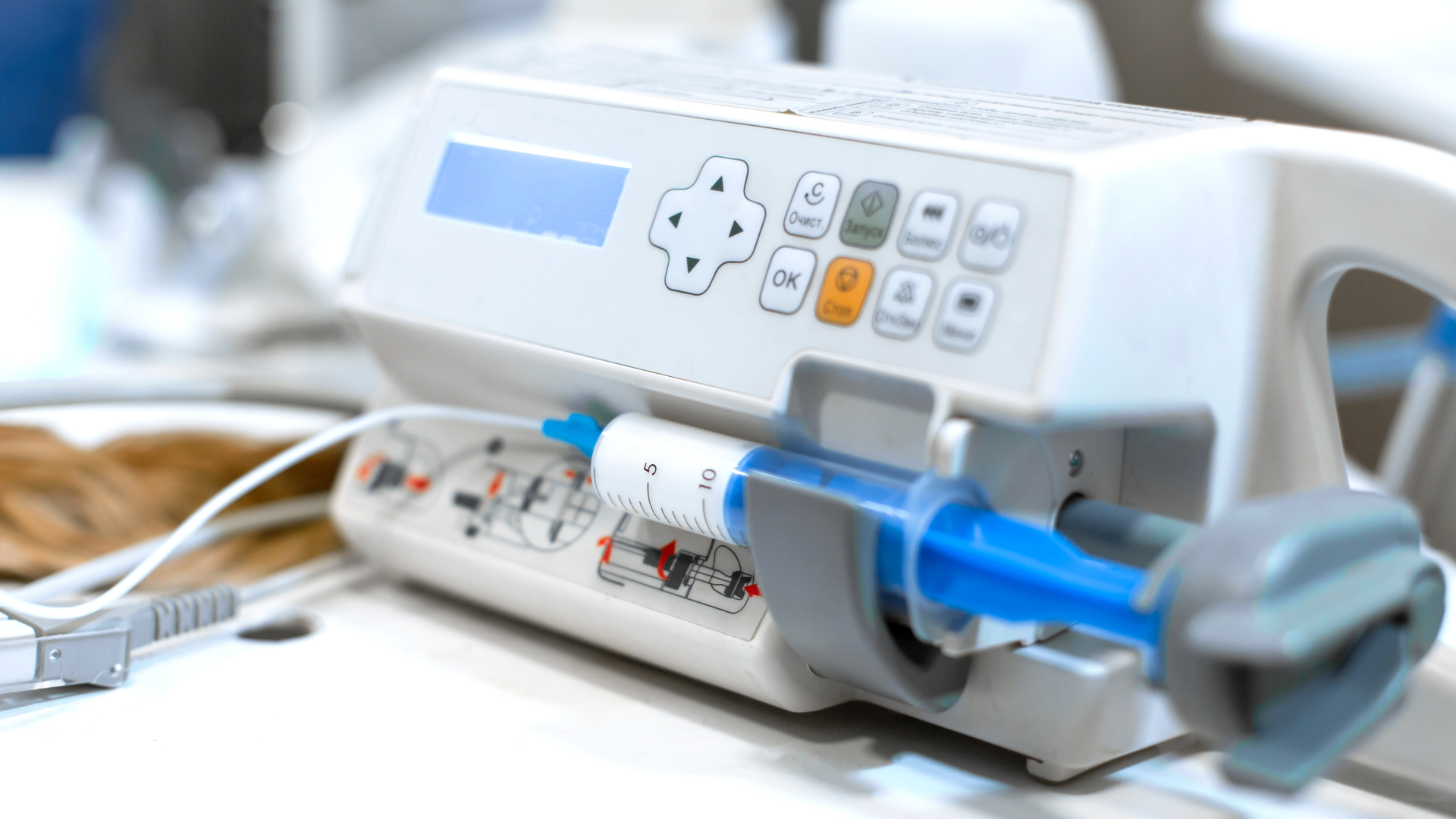 Treatment Efficacy: Getting the Dose Right
Accurate calibration is equally important when it comes to treatment. From infusion pumps that deliver precise volumes of medication to scales used for weight-based dosing calculations, the reliability of medical equipment can affect clinical outcomes.
When devices drift from their specified tolerances (something that occurs gradually through regular use) patients may receive incorrect dosages. The effects can range from a compromised recovery to a serious adverse reaction. Fortunately, regular calibration catches this drift before it becomes a clinical risk, ensuring that treatment protocols stay safe and effective.
Preventing Equipment Failure and Costly Downtime
 Preventing Equipment Failure and Costly Downtime
Margins for error in healthcare are often small. Every reading, measurement, and diagnostic result feeds into decisions that affect patients’ lives. Yet one of the most important safeguards underpinning accurate clinical care is also one of the most easily overlooked: equipment calibration.
Here, we spotlight why properly calibrated equipment ensures that healthcare providers can rely on the data used for patient care, directly reducing risks.
Patient Safety and Accurate Diagnosis
 Patient Safety and Accurate Diagnosis
Properly calibrated medical equipment is one of the foundations of reliable diagnostics. When devices such as blood pressure monitors, thermometers, and glucose meters are functioning within their specified tolerances, clinicians can trust the data they receive and make genuinely informed decisions about patient care.
The consequences of inaccurate readings are serious. A blood pressure monitor that reads consistently high could lead to unnecessary medication being prescribed; a glucose meter that drifts from its baseline could result in a diabetic patient receiving dangerously incorrect dosing guidance.
As such, calibration is one of the frontlines of patient safety.
In addition to patient safety, calibration can act as an early warning system for equipment deterioration. By identifying performance issues early on, healthcare providers can schedule maintenance proactively and avoid facing unexpected breakdowns at the worst possible moment.
This proactive approach can achieve some important operational benefits. For example, unplanned equipment failure can disrupt patient services, generate costly emergency repair bills, and can create unsafe gaps in care.
Routine calibration reduces all of these risks, whilst also extending the working lifespan of valuable medical equipment: protecting both patients and the practice's budget.
Trust, Quality Control, and Regulatory Compliance
 Trust, Quality Control, and Regulatory Compliance
Maintaining calibrated equipment also shows a commitment to quality assurance, which signals to patients, staff, and regulators that a practice takes its responsibilities seriously.
On the compliance side, documented calibration records provide a clear audit trail. For GP surgeries and other healthcare settings operating under the scrutiny of the Care Quality Commission (CQC), this documentation is a requirement.
It’s also important to note that those practices that maintain thorough calibration records are better positioned to demonstrate compliance during inspections and to meet the broader regulatory standards that govern safe patient care.
Eb-Med's Commitment to Calibration Excellence
Eb-Med provides professional equipment calibration services specifically designed for GP surgeries and healthcare settings. Our highly trained technicians carry out full testing and certification across a wide range of medical instruments, ensuring that each device functions accurately within its specified tolerances.
Working with Eb-Med means practices don’t have to manage calibration schedules in isolation or risk overlooking critical maintenance windows. Our service is designed to integrate smoothly into daily operations, reducing disruption whilst delivering the assurance that clinical equipment is performing as it should.
By partnering with Eb-Med for regular calibration, practices can maintain regulatory compliance, enhance patient safety, and guarantee the reliability of their diagnostic results: all without adding unnecessary burden to their teams.
For more information on our calibration services click HERE.

 117417
 40002854