

Football, Sudden Cardiac Arrest and the Importance of Emergency Preparedness
Posted on: 24/06/2026

Few moments in sport are more shocking than seeing a seemingly healthy athlete suddenly collapse on the pitch.
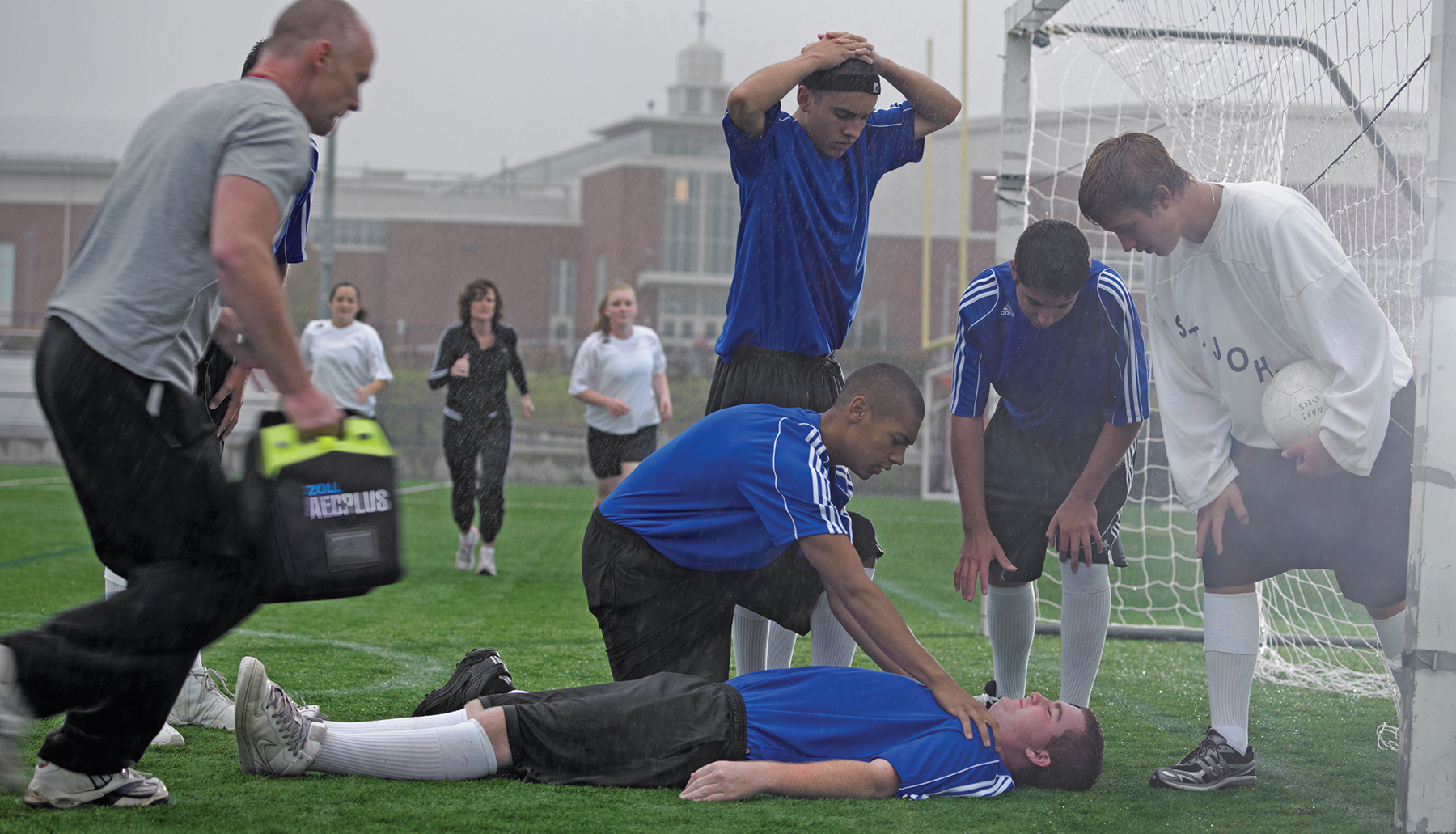
Over the past decade, several high-profile cardiac incidents in professional football have brought increased attention to sudden cardiac arrest (SCA) and the importance of rapid emergency response. During major tournaments such as the World Cup, millions of viewers witness the physical demands placed on elite athletes, but these events also serve as a reminder that cardiac emergencies can occur without warning.
While professional football clubs invest heavily in medical support and emergency planning, the lessons extend far beyond elite sport.
Understanding Sudden Cardiac Arrest
 Understanding Sudden Cardiac Arrest
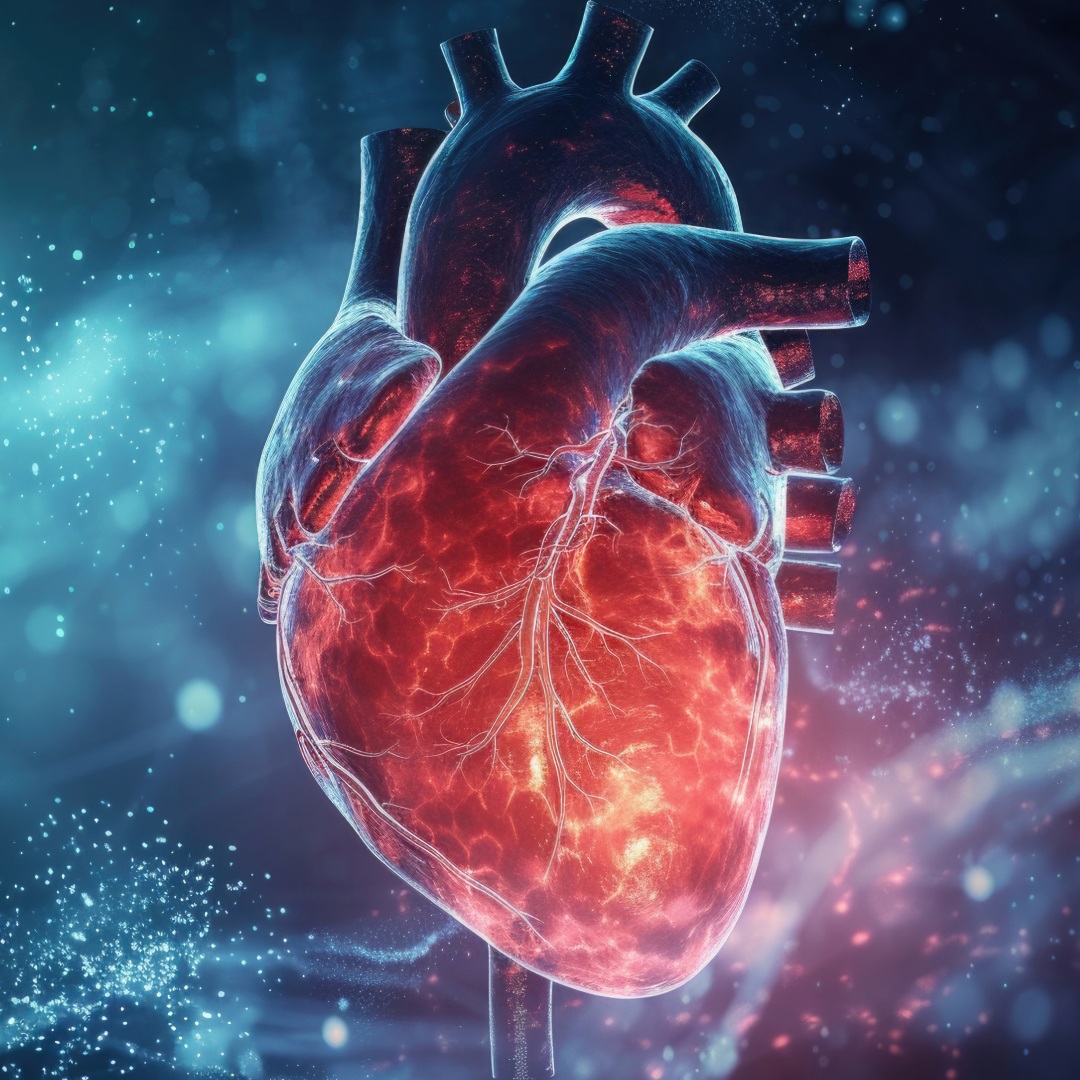
Sudden cardiac arrest occurs when the heart unexpectedly stops beating effectively, preventing blood from circulating around the body.
Unlike a heart attack, which is caused by a blockage restricting blood flow to the heart muscle, sudden cardiac arrest is an electrical problem that causes the heart to stop functioning normally.
Without immediate intervention, survival rates decrease rapidly.
According to data highlighted by ZOLL Medical, survival decreases by approximately 10% for every minute that defibrillation is delayed. Furthermore, if a victim collapses and no action is taken until emergency services arrive, the chance of survival can be as low as 5%.
Why Football Has Raised Awareness
 Why Football Has Raised Awareness
Football is one of the most watched sports in the world.
When a cardiac incident occurs in front of thousands of spectators and millions of television viewers, it naturally generates significant public attention.
These incidents have helped highlight the importance of:
- Early recognition of cardiac arrest
- Immediate CPR
- Rapid access to defibrillation
- Emergency response planning
Importantly, they have also demonstrated the value of having trained responders and appropriate equipment available when every second matters.
The Critical Role of Defibrillators
 The Critical Role of Defibrillators
The clock starts ticking the moment a cardiac arrest occurs.
Research consistently shows that early CPR combined with early defibrillation offers the best chance of survival.
ZOLL notes that approximately 350,000 people experience out-of-hospital cardiac arrest each year across Europe.
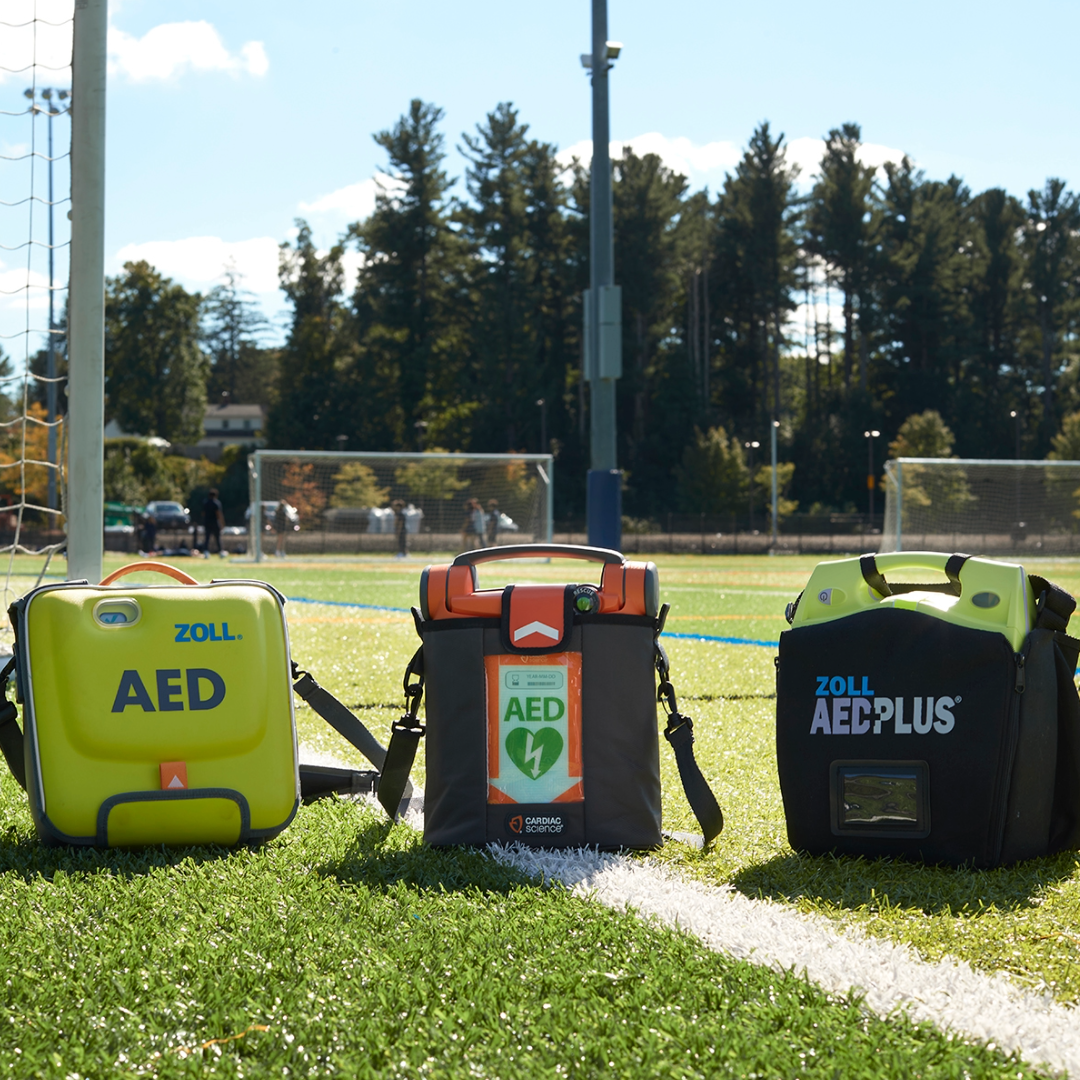
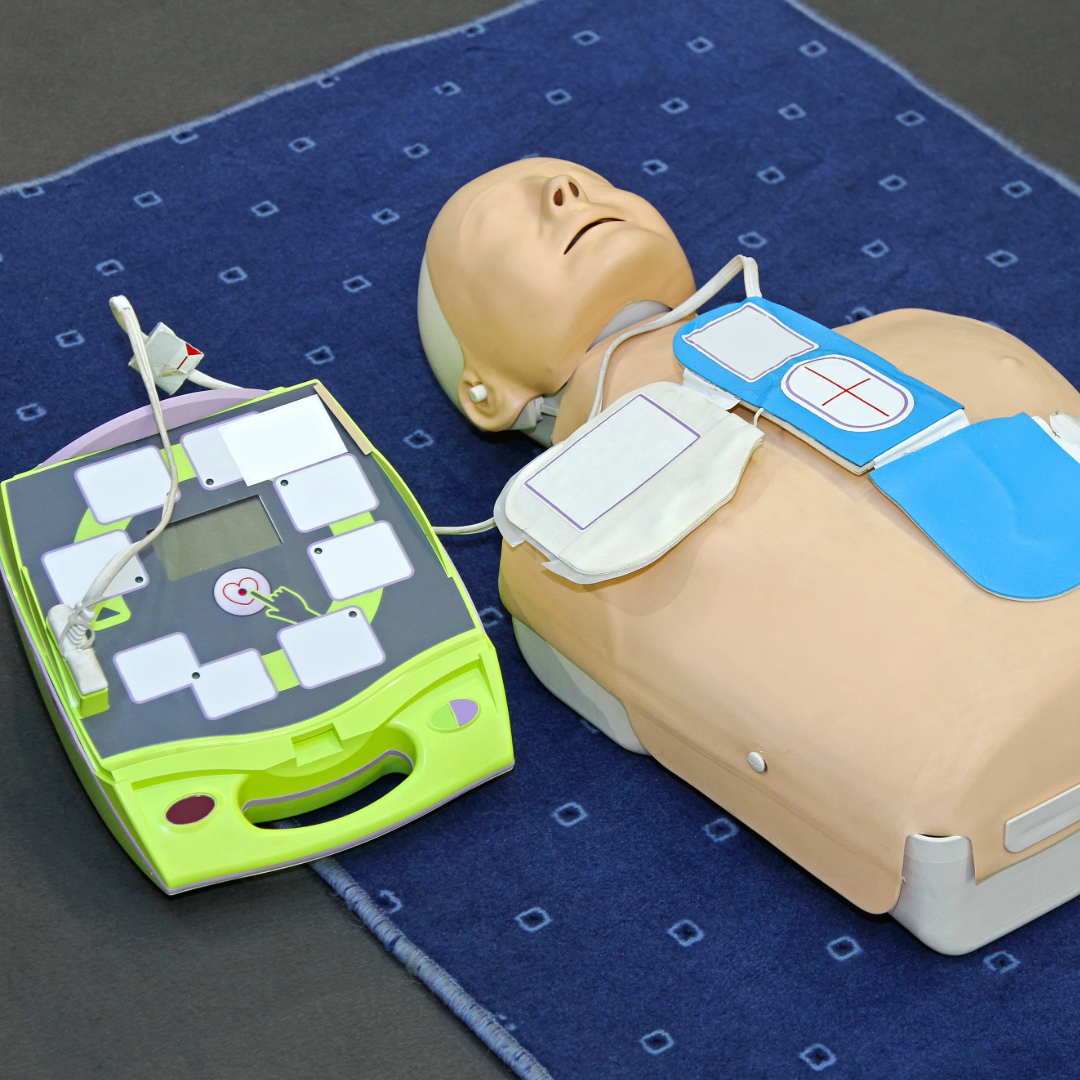
Automated External Defibrillators (AEDs) are designed to help responders deliver life-saving treatment quickly and effectively. Modern AED technology can also provide real-time CPR feedback, helping rescuers maintain appropriate compression rate and depth during resuscitation efforts.
Emergency Preparedness Beyond Professional Sport
 Emergency Preparedness Beyond Professional Sport
While football provides a visible example, cardiac emergencies are not limited to stadiums and training grounds.
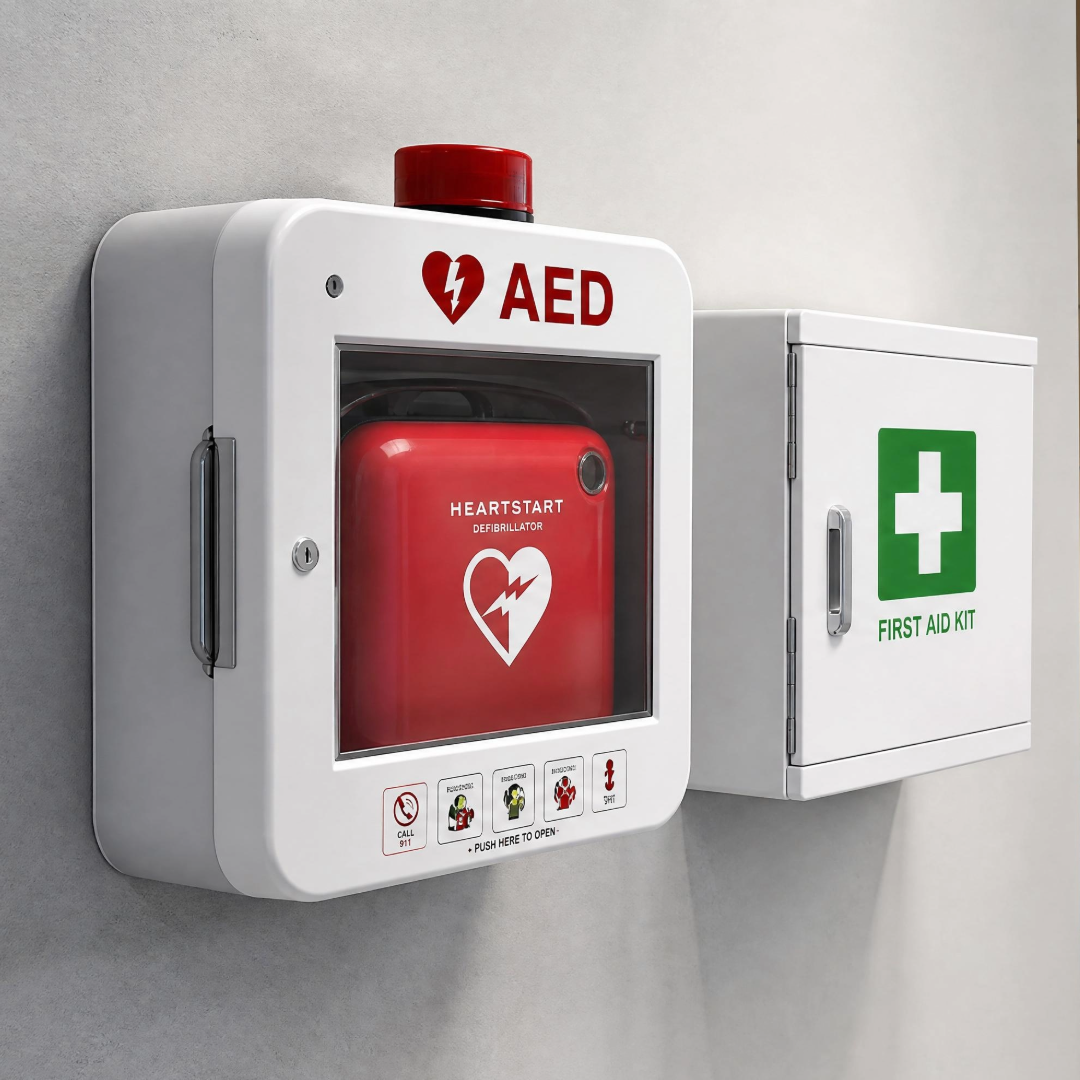
Healthcare facilities, GP practices, private clinics, workplaces, schools, leisure centres and community organisations all face the possibility of a sudden cardiac arrest occurring on-site.
The question is not whether an emergency will happen today.
The question is whether the right people, processes and equipment are available when it does.
A Growing Focus on Readiness
 A Growing Focus on Readiness
As awareness of sudden cardiac arrest continues to grow, many organisations are reviewing their emergency preparedness plans and access to defibrillation equipment.
Football has helped bring this conversation into the spotlight.
The challenge now is ensuring that the lessons learned on the world's biggest sporting stages translate into greater preparedness across healthcare and the wider community.
Because when sudden cardiac arrest occurs, preparation can make all the difference.
Download the ZOLL sudden cardiac arrest in football poster HERE.

 117417
 40002854