

The Essential Treatment Room Equipment Checklist for GP Practices
Posted on: 12/05/2026
The Essential Treatment Room Equipment Checklist for GP Practices
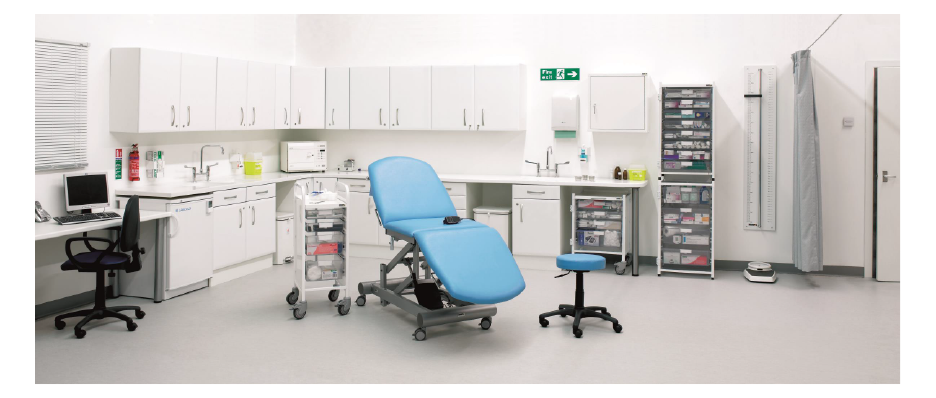
A well-equipped treatment room is the operational heart of a GP practice. As such, this area needs to be comfortable for visiting patients while satisfying the rigorous inspection standards of the Care Quality Commission (CQC). Getting the setup right helps to reduce risk and also supports better patient outcomes.
Here’s our essential checklist to help.
 Fundamental Furnishings and Infrastructure
 Fundamental Furnishings and Infrastructure
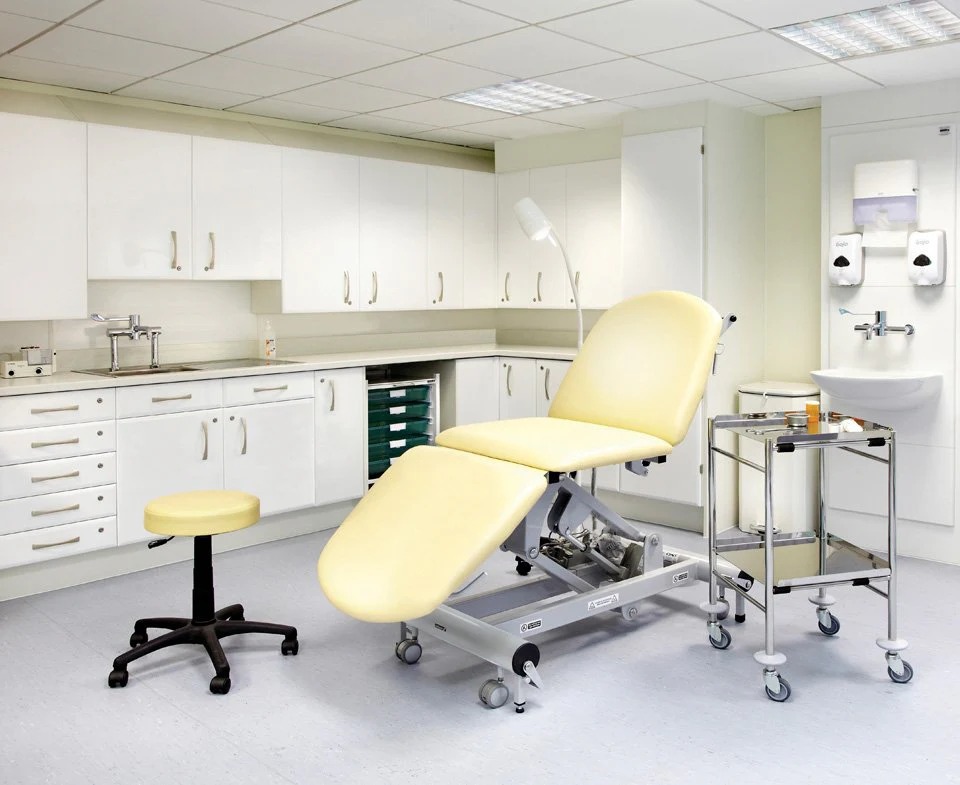
Every treatment room should have an adjustable examination couch with hygienic, easy-clean upholstery and/or a phlebotomy chair, alongside comfortable patient seating. Then there are storage and surgical trolleys for dressings and bloods paraphernalia, mobile ECG machines, and medical fridges for storing vaccines and medications.
A clinical wash basin with hands-free taps is needed for robust infection control, foot-operated or sensor-activated models help minimise cross-contamination during procedures.
In addition to all of this, adequate lighting is essential, including a bright overhead source and a mobile examination lamp for detailed assessments. Lockable storage must be available for controlled medications, sharps, and confidential supplies, with clearly labelled waste disposal units covering clinical, sharps, and domestic streams.
Essential equipment for the practice’s doctors rooms includes chairs, couches, blood pressure monitors, diagnostic sets, scales and a height measurer. For privacy between bays or treatment areas, disposable cubicle curtains offer a hygienic, practical solution that eliminates the infection risks associated with reusable fabric curtains.
General Assessment and Diagnostic Equipment

Day-to-day patient assessment relies on a core set of diagnostic tools that must be kept calibrated, maintained, and readily accessible. Essential items include:
- Blood pressure monitors (manual and digital)
- Stethoscopes
- Thermometers
- Pulse oximeters
- Otoscopes and ophthalmoscopes
- Peak flow meters
- Weighing scales
- Height measures
Eb-Med supplies a wide range of these diagnostic essentials. Browse our diagnostic equipment range and assessment tools to ensure your practice is fully stocked.
Treatment and Clinical Supplies

Consumables need to be managed with just the same diligence as the surgery’s equipment. Standard stock should include disposable gloves in multiple sizes, thermometer probe covers, tongue depressors, otoscope specula, sterile dressings, wound closure strips, and blood collection sets.
Regular stock rotation is really important and items need to be checked regularly for expiry dates, with older stock brought forward and newer supplies placed behind. A nominated staff member should own this process and document all of these checks consistently.
Eb-Med offers a wide range of consumables including gloves and PPE, probe covers, and examination consumables, making it straightforward to maintain a well-stocked room without sourcing from multiple suppliers.
Emergency and Resuscitation Equipment
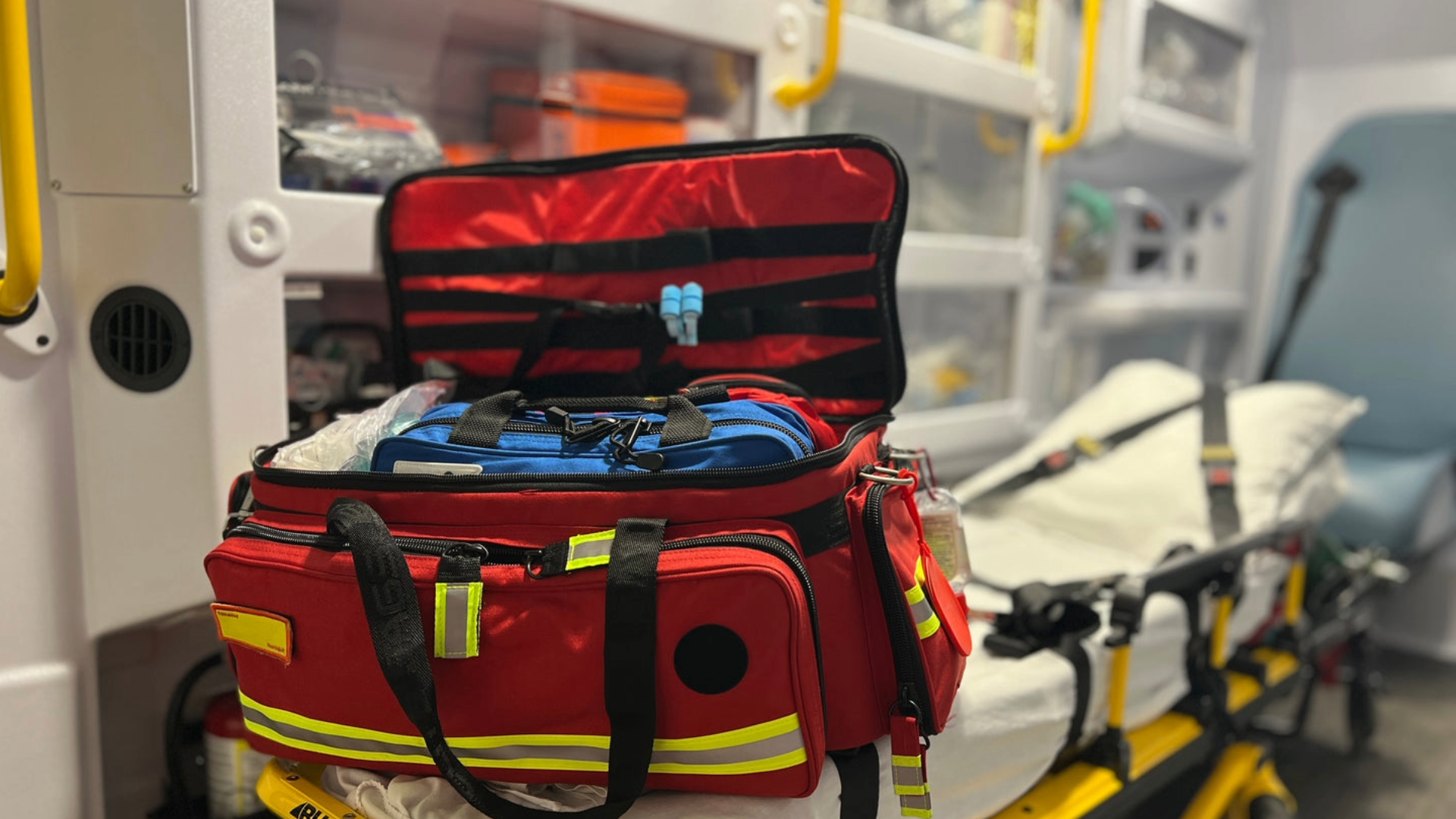
No treatment room is compliant, or indeed safe, without robust emergency equipment. At minimum, practices must have an AED (automated external defibrillator), an oxygen supply with appropriate masks and tubing, a resuscitation bag (BVM), and an emergency bag for anaphylaxis and acute presentations.
Importantly, having the equipment is only half the requirement. All of these items need to be subject to regular documented checks, with clear records of inspection dates and expiry status. The whole clinical team should be trained in the use of resuscitation equipment, with refresher sessions scheduled routinely. In an emergency, familiarity with equipment is what saves lives.
A well-maintained treatment room is a mark of a practice that takes patient safety seriously. As such, reviewing your checklist regularly, and sourcing reliable supplies from a trusted provider like Eb-Med, helps to ensure that you're always inspection-ready and clinically prepared.

 117417
 40002854